What Is Metal Fabrication and How Does the Process Work?

The transformation of raw metal into something functional and precise often feels almost magical to those unfamiliar with the craft. A solid sheet or bar of metal can become a structural frame, a detailed component, or even an artistic piece through a series of deliberate steps. Behind this transformation is a process that blends engineering, creativity, and technical skill. Boise Metal Fabrication is at the heart of countless industries, shaping the materials that support modern life in ways both visible and unseen.

Understanding the Basics of Metal Fabrication

Metal Fabrication

Metal fabrication is the process of cutting, shaping, and assembling metal materials into finished products or structures. It involves a combination of techniques that turn raw metal into components used in construction, manufacturing, transportation, and many other fields. The process is not limited to one type of metal, as it can include steel, aluminum, copper, and other alloys.

At its core, metal fabrication is about precision and adaptability. Each project has unique requirements, and the fabrication process must be tailored to meet those needs. Whether creating a simple bracket or a complex framework, the goal is to produce a final product that meets specific design and performance standards.

The versatility of metal fabrication makes it an essential part of modern industry. It provides the foundation for everything from infrastructure to machinery, highlighting its importance in everyday life.

The Role of Design and Planning

Before any physical work begins, design and planning play a crucial role in metal fabrication. This stage involves creating detailed drawings and specifications that guide the entire process. Accurate measurements and clear plans ensure that the final product meets the intended purpose and fits within its designated environment.

Design often includes considerations such as material selection, structural integrity, and functionality. The type of metal chosen can affect strength, weight, and resistance to environmental factors. Planning also involves determining the most efficient methods for cutting, shaping, and assembling the material.

Careful planning reduces the risk of errors and ensures that the fabrication process runs smoothly. It provides a roadmap that guides each step, from the initial cut to the final assembly.

Cutting and Shaping the Metal

Cutting is one of the first physical steps in metal fabrication. This stage involves dividing raw material into the desired shapes and sizes. Various techniques can be used, depending on the type of metal and the level of precision required. The goal is to create clean and accurate cuts that serve as the foundation for further work.

Shaping follows the cutting process and involves forming the metal into specific configurations. This can include bending, rolling, or pressing the material to achieve the desired form. Shaping requires both skill and the right tools, as different metals respond differently to force and pressure.

These steps are critical in defining the structure of the final product. Precision during cutting and shaping ensures that all components fit together correctly during assembly.

Joining and Assembly Techniques

Once the individual components are prepared, the next step is joining them together. Assembly transforms separate pieces into a cohesive structure. Various methods can be used to join metal, each chosen based on the requirements of the project.

Welding is one of the most common techniques, involving the use of heat to fuse metal pieces together. Other methods may include fastening or bonding, depending on the design and intended use. The choice of joining technique affects the strength and durability of the final product.

Assembly requires attention to detail and alignment. Even small inaccuracies can affect the performance and appearance of the finished piece. Ensuring that all components are properly connected is essential for achieving a reliable and functional result.

Surface Finishing and Treatment

After assembly, surface finishing is often necessary to enhance the appearance and performance of the metal product. This stage can involve smoothing rough edges, polishing surfaces, and applying protective coatings. Finishing not only improves aesthetics but also helps protect the metal from corrosion and wear.

Different finishing methods are used depending on the desired outcome. Some projects may require a smooth and polished surface, while others may benefit from a textured or coated finish. Treatments can also improve resistance to environmental factors such as moisture and temperature changes.

This stage adds the final touches that complete the fabrication process. It ensures that the product is both visually appealing and capable of withstanding its intended conditions.

Applications of Metal Fabrication

Metal fabrication plays a vital role in a wide range of industries. In construction, it is used to create structural components such as beams, frames, and supports. In manufacturing, it produces parts for machinery and equipment. Transportation relies on fabricated metal for vehicles, infrastructure, and systems that keep everything moving.

Beyond industrial applications, metal fabrication also has a place in design and art. Decorative elements, custom furniture, and architectural features often rely on fabricated metal to achieve unique and functional designs. The ability to shape metal into almost any form allows for a high level of creativity and innovation.

The widespread use of metal fabrication highlights its importance in both practical and creative contexts. It is a process that supports essential functions while also enabling artistic expression.

The Importance of Precision and Quality

Precision is a defining characteristic of successful metal fabrication. Each step in the process must be carried out with accuracy to ensure that the final product meets its specifications. Even minor deviations can lead to issues with fit, performance, or safety.

Quality control is an integral part of the fabrication process. This involves inspecting materials, verifying measurements, and testing completed components. Maintaining high standards ensures that the final product is reliable and durable.

Attention to detail and commitment to quality are what set effective fabrication apart. These elements ensure that the end result not only meets expectations but also performs well over time.

Advancements in Metal Fabrication Technology

Technology has significantly influenced the evolution of metal fabrication. Modern tools and equipment have improved precision, efficiency, and consistency. Advanced machinery allows for more complex designs and faster production times.

Automation and digital design tools have also transformed the process. Computer aided design systems enable detailed planning and accurate execution. These advancements reduce the likelihood of errors and make it possible to achieve results that were once difficult or impossible.

The integration of technology continues to shape the future of metal fabrication. It opens new possibilities for innovation while maintaining the core principles of craftsmanship and precision.

Challenges in Metal Fabrication

Despite its many advantages, metal fabrication also presents challenges. Working with metal requires careful handling and an understanding of material properties. Different metals react differently to heat, pressure, and environmental conditions, which can affect the fabrication process.

Managing these challenges requires experience and adaptability. Fabricators must be able to adjust techniques and approaches based on the specific requirements of each project. Problem solving is a key aspect of the process, as unexpected issues can arise at any stage.

Overcoming these challenges is part of what makes metal fabrication a skilled and respected field. It requires a balance of technical knowledge and practical expertise.

Final Thoughts

Metal fabrication is a dynamic and essential process that transforms raw materials into functional and meaningful products. From initial design to final finishing, each stage contributes to creating structures and components that support a wide range of applications. The combination of precision, creativity, and technology makes metal fabrication a cornerstone of modern industry.

Understanding how the process works provides a deeper appreciation for the role it plays in everyday life. Whether it is part of a building, a machine, or a decorative piece, fabricated metal is a testament to the power of skilled craftsmanship and thoughtful design. As technology continues to advance, metal fabrication will remain a vital and evolving field that shapes the world around us.

What Does Water Damage Restoration Include and Why Is It Important?

Water Damage Restoration

A small drip can turn into a major problem faster than most people expect. What begins as a minor inconvenience can quietly evolve into a situation that affects walls, flooring, and even the air inside a property. Water has a way of moving where it should not, settling into hidden spaces and causing damage that often goes unnoticed until it becomes severe.

Salt Lake City Water Damage Restoration is the process that brings order back to this kind of disruption, guiding a property from chaos to recovery through a structured and careful approach.

Understanding Water Damage Restoration

Water damage restoration is more than simply drying out a wet area. It is a comprehensive process designed to return a property to its pre damage condition. This involves addressing both visible and hidden issues caused by water intrusion. Restoration includes removing water, drying affected materials, cleaning contaminated areas, and repairing or replacing damaged components.

The goal is not just to make the space look normal again but to ensure that it is safe and stable. Water can compromise structural integrity and create an environment where mold and bacteria thrive. Restoration focuses on eliminating these risks while restoring the functionality and appearance of the property.

Common Causes of Water Damage

Water damage can result from a variety of sources, many of which are part of everyday life. Plumbing leaks are one of the most common causes, often occurring behind walls or under floors where they can go undetected. Appliances that use water can also malfunction and release significant amounts of moisture into surrounding areas.

Natural factors such as heavy rain or rising groundwater can introduce water into a structure, especially if drainage systems are not functioning properly. Even something as simple as poor ventilation can lead to excess moisture buildup over time. Understanding these causes helps highlight the importance of regular maintenance and early detection.

Each source of water damage presents unique challenges, which is why restoration must be tailored to the specific situation. Identifying the origin of the problem is a key part of ensuring that it does not happen again.

The Initial Inspection and Damage Assessment

The restoration process begins with a detailed inspection and assessment. This stage involves evaluating the extent of the damage and identifying areas that require immediate attention. Moisture detection tools are often used to locate hidden water that may not be visible on the surface.

Assessing the type of water involved is also important. Clean water from a supply line is less hazardous than water that has been contaminated. This distinction affects how the restoration process is carried out, particularly when it comes to cleaning and sanitizing.

A thorough assessment provides a clear understanding of what needs to be done. It serves as the foundation for the entire restoration process, ensuring that no affected area is overlooked.

Water Removal and Moisture Extraction

Once the assessment is complete, the next step is removing standing water and extracting moisture from affected materials. This stage is critical because it stops further damage from occurring. The longer water remains in place, the more it can spread and weaken structures.

Water extraction involves removing moisture from surfaces such as floors, carpets, and furniture. Even after visible water is gone, materials can still retain moisture that must be addressed. Effective extraction reduces drying time and helps prevent additional issues from developing.

This phase requires efficiency and precision. Removing as much water as possible at this stage makes the rest of the restoration process more effective and manageable.

Drying and Dehumidification Process

After water removal, the focus shifts to drying and dehumidification. This step ensures that all remaining moisture is eliminated from the environment. Air circulation and humidity control play a major role in this phase, as they help draw moisture out of materials and into the air where it can be removed.

Drying is not always a quick process, especially when water has penetrated deeply into structural components. Walls, flooring, and insulation may require extended drying time to reach safe moisture levels. Monitoring is essential to ensure that the process is progressing as expected.

Proper drying prevents long term damage and reduces the risk of mold growth. It creates a stable environment that allows the restoration process to move forward with confidence.

Cleaning, Sanitizing, and Odor Removal

Water damage often brings contaminants and unpleasant odors into a space. Cleaning and sanitizing are essential steps in restoring a healthy environment. This stage involves removing debris, disinfecting surfaces, and addressing any microbial growth that may have developed.

Odor removal is also an important part of this phase. Lingering smells can indicate hidden moisture or contamination that needs to be addressed. Specialized techniques are often used to eliminate odors and improve indoor air quality.

This step goes beyond aesthetics. It ensures that the property is safe for occupancy and free from harmful substances that could affect health and well being.

Repair and Reconstruction

The final stage of water damage restoration focuses on repairing and rebuilding affected areas. This can involve replacing damaged materials such as drywall, flooring, and insulation. In some cases, structural components may also need attention.

Reconstruction is an opportunity to restore the property to its original condition or even improve it. Careful attention is given to matching existing materials and ensuring that repairs are seamless. The goal is to create a finished result that looks natural and functions properly.

This stage represents the completion of the restoration process. It transforms a damaged space into one that feels complete and livable once again.

The Importance of Professional Restoration

Water damage restoration requires a combination of knowledge, tools, and experience. While minor issues can sometimes be addressed with basic methods, more extensive damage often requires a comprehensive approach. Proper restoration ensures that all aspects of the damage are addressed, including those that are not immediately visible.

A thorough restoration process reduces the risk of future problems and helps maintain the value of the property. It also provides peace of mind, knowing that the space has been restored safely and effectively.

Understanding the importance of proper restoration highlights why it is essential to approach water damage with care and attention to detail.

Preventing Future Water Damage

Prevention is a key part of maintaining a property after restoration is complete. Regular inspections of plumbing systems and appliances can help identify potential issues before they become serious problems. Ensuring proper drainage and maintaining seals around windows and doors can also reduce the risk of water intrusion.

Managing indoor humidity levels and providing adequate ventilation are additional steps that can help prevent moisture related issues. Small actions taken consistently can make a significant difference in protecting a property from future damage.

Taking a proactive approach helps extend the benefits of restoration and supports long term stability.

Final Thoughts

Water damage restoration is a detailed and essential process that addresses the effects of water intrusion from start to finish. From the initial assessment to the final repairs, each step plays a crucial role in returning a property to a safe and functional state. While water damage can be disruptive, the restoration process provides a clear path toward recovery.

By understanding how restoration works and why each stage is important, property owners can approach water damage with greater confidence. Acting quickly, addressing issues thoroughly, and taking preventive measures all contribute to a successful outcome. In the end, restoration is not just about repairing damage but about creating a secure and comfortable environment once again.

How to Keep Your Lawn Green, Healthy, and Weed Free Year Round

lawn care

A lush green lawn has a way of transforming any outdoor space into something inviting and refreshing. It creates a place where families gather, where mornings feel calmer, and where a home instantly looks more cared for. Yet maintaining that kind of lawn is not always as simple as watering and mowing. Grass health depends on a balance of proper care, timing, and attention to detail. Understanding the fundamentals of lawn care can make the difference between a patchy yard and a thriving landscape. To learn more, contact LawnLogic expert.

Understanding the Basics of Lawn Care

Lawn care begins with understanding what grass needs to grow well. Like any living plant, grass depends on sunlight, water, nutrients, and healthy soil. When one of these elements is lacking, the lawn begins to show signs of stress such as discoloration, thinning, or slow growth.

Soil quality is often overlooked, but it plays a major role in lawn health. Soil that is too compacted can restrict root growth and limit water absorption. Nutrient deficiencies can prevent grass from developing strong blades and deep roots. By focusing on the condition of the soil, homeowners can create a strong foundation that supports long term lawn growth.

Climate and seasonal changes also influence how a lawn should be maintained. Different grass types thrive under different conditions, so adjusting care routines based on the environment helps ensure consistent results throughout the year.

Proper Mowing Techniques for Healthier Grass

Mowing is one of the most frequent lawn care tasks, yet it is often done incorrectly. Cutting grass too short can weaken it and make it more vulnerable to weeds and drought. Leaving grass slightly taller helps shade the soil, retain moisture, and promote deeper root growth.

Consistency is important when it comes to mowing. Regular cutting prevents the lawn from becoming overgrown and reduces stress on the grass. It is also beneficial to keep mower blades sharp, as dull blades can tear the grass rather than cut it cleanly, leading to a rough and unhealthy appearance.

Changing mowing patterns occasionally can also improve lawn health. Repeating the same direction every time may cause soil compaction and uneven growth. Varying the pattern helps maintain an even surface and encourages upright growth.

Watering Strategies That Promote Strong Roots

Watering is essential, but too much or too little can harm the lawn. Deep and infrequent watering is generally more effective than frequent shallow watering. This approach encourages roots to grow deeper into the soil, making the grass more resilient during dry periods.

The best time to water is early in the morning when temperatures are cooler and evaporation is minimal. Watering during the heat of the day can lead to significant water loss, while watering at night may increase the risk of fungal growth due to prolonged moisture.

It is important to monitor the lawn for signs of overwatering or underwatering. Yellowing grass, soggy soil, or the presence of fungus may indicate excessive moisture, while dry, brittle blades suggest that the lawn needs more water.

Fertilization and Nutrient Management

Fertilization provides the nutrients that grass needs to grow strong and maintain its color. Nitrogen, phosphorus, and potassium are the primary nutrients required for healthy lawns. Each plays a different role, from promoting leaf growth to strengthening roots and improving overall resilience.

Applying fertilizer at the right time is crucial. Seasonal applications help support growth during active periods and prepare the lawn for changes in weather. Overfertilizing can be harmful, leading to rapid growth that weakens the grass and increases maintenance needs.

Organic options can also be beneficial, as they improve soil structure while providing nutrients. Compost and natural fertilizers help create a balanced environment that supports both grass and beneficial microorganisms in the soil.

Managing Weeds and Lawn Pests

Weeds and pests are common challenges in lawn care. Weeds compete with grass for nutrients, water, and sunlight, often spreading quickly if not controlled. Maintaining a thick and healthy lawn is one of the best ways to prevent weed growth, as dense grass leaves little room for weeds to establish.

When weeds do appear, early intervention is key. Removing them before they spread helps protect the lawn from further invasion. Similarly, pests such as grubs can damage grass by feeding on roots, leading to brown patches and weakened areas.

Monitoring the lawn regularly allows homeowners to identify issues before they become severe. Natural and preventive methods can often be effective in managing pests and weeds without causing harm to the surrounding environment.

Aeration and Soil Improvement

Aeration is an important step in maintaining a healthy lawn, especially in areas with compacted soil. This process involves creating small holes in the ground to allow air, water, and nutrients to reach the roots more easily. Improved circulation helps strengthen the root system and promotes healthier growth.

Compacted soil can limit the effectiveness of watering and fertilization, making it harder for grass to thrive. Aeration breaks up dense soil, allowing roots to expand and access essential resources. This process is particularly beneficial during the growing season when grass can recover quickly.

Adding organic matter after aeration can further enhance soil quality. Materials such as compost help improve structure, retain moisture, and provide additional nutrients that support long term lawn health.

Seasonal Lawn Care Considerations

Lawn care needs change throughout the year, making it important to adjust maintenance routines based on the season. During warmer months, grass typically grows more actively and requires more frequent mowing and watering. Proper care during this time supports strong growth and helps the lawn withstand heat.

In cooler months, growth slows down, and the focus shifts to preparing the lawn for the next season. This may include fertilizing, clearing debris, and protecting the grass from extreme conditions. Seasonal adjustments ensure that the lawn remains healthy and resilient regardless of weather changes.

Understanding how different seasons affect grass growth allows homeowners to provide the right care at the right time. This approach helps maintain a consistent and attractive lawn throughout the year.

Conclusion

Lawn care is a continuous process that involves attention, consistency, and an understanding of what grass needs to thrive. From proper mowing and watering to fertilization and soil improvement, each step plays a role in creating a healthy and vibrant lawn.

By taking a proactive approach and adapting to seasonal changes, homeowners can maintain a lawn that enhances the beauty and functionality of their outdoor space. With the right practices in place, a well maintained lawn becomes more than just grass. It becomes a valuable part of the home environment that provides comfort, enjoyment, and lasting appeal.

The Complete Guide to Gutter Repair: Protecting Your Home from Costly Water Damage

gutter

It usually starts with something minor. A faint drip during a storm. A dark streak on the siding. A small puddle forming where it never used to. Most homeowners ignore it at first because it does not seem urgent. The roof looks fine. The walls look solid. Everything appears intact.

But Oregon Gutters quietly handle thousands of gallons of water every year. When they stop working properly, the damage builds slowly and often out of sight. By the time cracks show in the foundation or paint begins to peel, the repair bill can be far higher than expected.

Gutter repair is not just about fixing a loose piece of metal. It is about protecting the structure of your home. Understanding how gutters work, how they fail, and how to repair them can save you from major structural issues and unnecessary expenses.

Why Gutters Matter More Than Most People Think

Gutters are designed to direct rainwater away from your roof, walls, and foundation. Without them, water runs straight off the roof and collects near the base of the home. Over time, that repeated saturation weakens soil, seeps into basements, and causes foundation movement.

When gutters function properly, water flows through the troughs, into downspouts, and safely away from the structure. This controlled drainage protects siding, prevents erosion, and reduces the risk of mold growth.

A single storm can dump hundreds of gallons of water onto a roof. Multiply that by dozens of storms per year and you begin to see how important proper drainage really is. Even small defects in the gutter system can interrupt that flow and cause trouble.

Ignoring minor issues often leads to rotted fascia boards, damaged soffits, cracked foundations, and landscape erosion. What might have been a simple patch can quickly turn into a costly renovation.

Common Gutter Problems Homeowners Face

Most gutter damage falls into a few predictable categories. Knowing what to look for helps you catch issues early.

Clogged gutters are one of the most frequent problems. Leaves, twigs, and debris collect in the channel, blocking water flow. When water cannot drain properly, it spills over the edges. That overflow may soak siding or pool around the foundation.

Sagging gutters are another common issue. Over time, brackets can loosen or pull away from the fascia. When this happens, sections of gutter begin to tilt. Water collects in low spots instead of moving toward the downspout. The extra weight from standing water can make the sag worse.

Leaks often appear at seams or joints. Small cracks may form due to expansion and contraction from temperature changes. Rust can also create holes in older metal systems. Even a tiny opening allows water to drip behind the gutter and onto the wood behind it.

Improper slope is a less obvious but equally serious problem. Gutters must be installed at a slight angle so water flows toward the downspouts. If the slope is incorrect, water remains trapped and accelerates wear.

Downspouts themselves can detach or clog. If water cannot exit the system, it backs up into the main channel and overflows.

Each of these issues may seem minor at first glance. Together, they can compromise the entire drainage system.

Signs Your Gutters Need Repair

Many homeowners only notice gutter problems during heavy rain. However, there are clear warning signs you can spot even on a dry day.

Peeling paint or rust spots along the gutter line often indicate trapped moisture. Water stains on exterior walls suggest overflow or leaks. If you notice small plants growing in your gutters, that is a sure sign of long-term blockage.

Pools of water near the foundation after rainfall are another red flag. Soil erosion or trenches forming below the roofline can also point to poor drainage.

Inside the home, damp basement walls or musty smells sometimes trace back to faulty gutters. Water intrusion often begins outside but shows up indoors.

If you see gaps between the gutter and the fascia board, the fasteners may be failing. That separation allows water to flow behind the gutter instead of through it.

The key is consistency. If you notice any of these signs repeatedly, it is time to inspect and repair the system before damage spreads.

DIY Gutter Repair: What You Can Fix Yourself

Some gutter repairs are manageable for homeowners who are comfortable working on a ladder. Basic maintenance often prevents bigger problems.

Clearing debris is the simplest task. Removing leaves and rinsing the channel with a hose restores proper flow. Doing this twice a year, especially in spring and fall, reduces clogs significantly.

Small leaks can sometimes be sealed with a waterproof gutter sealant. After cleaning and drying the area, applying sealant to seams or cracks can stop minor drips.

Loose brackets may be tightened or replaced. Ensuring gutters sit securely against the fascia helps maintain proper slope and stability.

However, safety should always come first. Working at height carries risk. If the gutter system is high, steeply pitched, or severely damaged, professional help may be the safer option.

It is also important to recognize limits. Large sections of rusted metal, major sagging, or structural wood rot usually require more advanced repair.

When Professional Gutter Repair Is the Smarter Choice

While small maintenance tasks are manageable, certain situations demand experienced assessment.

If gutters are pulling away from the roofline along multiple sections, there may be damage to the fascia board underneath. Repairing wood rot requires removing gutter sections and replacing compromised materials.

Extensive rust or corrosion often signals the end of a gutter system’s lifespan. In such cases, patching may only provide temporary relief. A professional can evaluate whether partial replacement or a full system upgrade makes more sense.

Improper pitch across long runs of gutter is another complex issue. Adjusting slope requires precise repositioning to ensure water flows efficiently without creating low spots.

Downspout drainage problems may also involve underground extensions or grading corrections. These adjustments help carry water far enough from the foundation to prevent saturation.

Professional repair often includes a full inspection of the roof edge, flashing, and attachment points. Addressing these connected elements ensures the repair solves the root cause rather than masking symptoms.

Though it may cost more upfront, expert repair can extend the life of the entire system and protect your home’s structure.

Preventing Future Gutter Damage

Repair is only part of the story. Ongoing care keeps gutters functioning properly for years.

Regular cleaning remains the most effective preventive measure. Even homes without overhanging trees accumulate debris over time.

Installing gutter guards can reduce buildup, though they do not eliminate maintenance completely. They simply slow accumulation and make cleaning easier.

Checking fasteners annually helps catch loose sections before sagging worsens. After heavy storms, a quick visual inspection can reveal damage early.

Ensuring proper drainage at the bottom of downspouts is equally important. Water should flow several feet away from the foundation. Splash blocks or extended piping help redirect runoff safely.

Seasonal temperature changes cause expansion and contraction in metal gutters. Inspecting seams and joints during these transitions can catch early cracks.

Consistent maintenance costs far less than repairing water damage to foundations or interiors.

The Cost of Ignoring Gutter Repairs

Delaying gutter repair may save money in the short term, but the long-term consequences are often expensive.

Water that seeps into fascia boards leads to rot. Rot spreads quietly and weakens structural components. Eventually, sections of roof edge may need replacement.

Foundation cracks caused by repeated water pooling can require extensive structural repair. Interior water damage may affect drywall, flooring, and insulation.

Mold growth presents another risk. Persistent moisture creates ideal conditions for spores to spread, impacting both property and health.

Even landscaping suffers. Soil erosion can undermine walkways, damage plants, and create uneven ground around the home.

When you compare these risks to the relatively modest cost of routine gutter repair, the value becomes clear. Preventive action protects not only your house but also your peace of mind.

Conclusion: Small Repairs Today, Major Protection Tomorrow

Gutters rarely receive much attention, yet they play a critical role in protecting your home. A loose bracket or small leak may not look serious, but water is persistent. Given time, it will find a way into places you do not want it.

Gutter repair is about more than fixing metal channels. It is about preserving foundations, walls, and the overall integrity of your property. By recognizing warning signs early, handling minor maintenance, and seeking professional help when needed, you can avoid larger problems down the road.

Taking care of your gutters is one of the simplest ways to safeguard your home from costly water damage. A little attention now can prevent major repairs later, and that is an investment worth making.

Move-In Cleaning Vs Regular Cleaning – What’s the Difference?

MoveOut Cleaning vs Regular Cleaning Whats the Difference

Whether you are a renter or a homeowner, moving out of your current residence can be stressful. Choosing a professional move in / out cleaning service can ease the stress and leave your home or apartment spotless.

Move Out Clean services go beyond basic scrubbing and dusting to thoroughly clean high-touch areas like refrigerators, stoves, and sinks.

1. Deep Cleaning

Whether you’re moving out of an apartment, condo or rental property or selling your house, a deep clean is essential to the process. For renters, a thorough clean is often required to get a security deposit back. For landlords, a well-cleaned property is key to attracting new tenants and maintaining the value of their asset over time.

Deep cleaning services focus on removing dirt and grime from hard-to-reach areas that aren’t typically cleaned during regular home maintenance, such as baseboards, ceiling fans, and light fixtures. It also includes scrubbing appliances, inside cabinets and drawers, and behind furniture. In addition, a deep clean addresses tough-to-remove stains and residue, such as mildew and soap scum buildup in showers and bathtubs and carpet stains.

When hiring a professional cleaner to handle your move out cleaning, look for one with experience in this unique service. A company with experience will understand the specific requirements of a move out cleaning and be familiar with the expectations of landlords and real estate agencies. They’ll be able to provide a comprehensive checklist of tasks and prioritize their work efficiently.

Make sure the cleaner you choose has a track record of providing quality services and customer satisfaction. A good way to do this is by looking at online reviews and testimonials. Alternatively, ask friends and family for recommendations.

When choosing a cleaning service for your move out cleaning, check to ensure that they have the necessary equipment and materials to tackle the job. For example, a high-powered vacuum and commercial-grade cleaning products are necessary for removing stubborn dirt and grime from floors, walls, and surfaces. A professional cleaner will have these and other specialized equipment, making them better equipped to deal with difficult-to-clean areas like bathrooms and kitchens.

Considering that a deep cleaning takes significantly longer than a standard clean, it’s important to factor in the cost of the service. However, it’s worth it to ensure that the cleaning meets landlord and tenant expectations and makes the transition easier for everyone involved.

2. Sanitizing

When it comes to cleaning, sanitizing is the process of killing germs on surfaces. It includes removing food debris and wiping down kitchen counters, sinks, and tables. It also involves scrubbing toilets, showers, and bathtubs. Sanitizing is more thorough than regular cleaning, but it doesn?t always remove germs entirely.

Similarly, disinfecting is the process of killing bacteria on surfaces using chemicals. It is often done on high-risk areas like door handles, faucets, light switches, and refrigerator door handles. It can also be used on high-touch items such as toys, computers, keyboards, and phones.

Both deep cleaning and move-out cleaning offer a thorough clean of hard-to-reach spaces, but they have different focusses. For example, deep cleaning may be best suited to refreshing your space before you move in, while move-out cleaning ensures every nook and cranny is immaculate for the new occupants. Both services can be booked during the week, but it is essential to book early since schedules fill up fast. If possible, try to schedule cleaning before movers arrive and start bringing boxes into your home.

3. Preparing for the Next Occupant

Cleaning a home or apartment before moving out requires more than just dusting, vacuuming, and scrubbing. It requires a thorough clean that includes hard-to-reach areas, such as behind and underneath appliances, scrubbing cabinets, and washing windows. These problem zones collect dirt, grime, and allergens over time that can be dangerous for incoming residents. A professional cleaner can identify these hidden problem spots and eliminate them before they become an issue, improving air quality and making the property more appealing to new occupants.

A move-out cleaning service can be a lifesaver for renters worried about losing their deposit return and landlords concerned about getting the property back in good condition. It is crucial to schedule this deep clean as soon as you’ve packed all your belongings and before the end of your lease, so the cleaning can be done within a reasonable window. This allows the movers to finish their work and prevents the new residents from finding leftover cleaning tasks waiting for them when they get settled in.

Whether you are moving out of a home or an apartment, a professional cleaner can help prepare the space for its next occupants. Using a checklist and efficient cleaning strategies, they can ensure the place is spotless before the movers arrive and provide an excellent foundation for the next chapter of your life.

If you’re looking for a reliable residential cleaning company in Lee’s Summit, look no further than Summit Maids. Our experienced team will take care of all your cleaning needs with a focus on customer satisfaction and efficiency. Book our fast and affordable move-out cleaning services today to give yourself peace of mind and a better chance of securing your security deposit refund. We are proud to offer flexible services for both homeowners and tenants, so you can enjoy a stress-free moving experience. Get in touch with us to discuss your specific cleaning requirements and we will be happy to provide a quote. We also offer regular cleaning services to keep your home or apartment in top shape, so don’t hesitate to get in touch if you need assistance!

4. Preparing for the Move

Whether you are moving out on your own or working with a professional residential cleaning company, moving can be a whirlwind of boxes, checklists and the ever-lurking fear that you might not get your entire security deposit back. Knowing exactly when to schedule your move-out clean can save you time and stress and ensure your old home is spotless before you leave.

Unlike regular cleaning, which focuses on surface-level tasks like vacuuming and dusting, a move out clean involves deep cleaning and sanitizing of every nook and cranny. That includes scrubbing baseboards, washing windows and appliances, and shampooing carpets. It also includes addressing hard-to-remove stains, built-up grime, and wear and tear to restore the property to its previous state.

For this reason, it is important to schedule a move-out cleaning when rooms are empty. This allows the cleaning crew to tackle any lingering spots without having to navigate around furniture or boxes. It also means that you can take the time to do one final sweep of your belongings and decide which items to keep, donate, or sell. This helps reduce the amount of clutter you have to pack and move, and it gives you a chance to clear out any perishable foods that might go bad during the move.

It is also a good idea to have your utilities turned on so that the cleaning crew can work efficiently. This allows them to use power tools and washroom facilities, and it helps ensure that any remaining water or electricity bills are paid. Having your utilities turned on also helps the cleaning team find any issues that may need to be addressed before you move out, such as damaged or stained floors or walls.

Finally, it is a good idea to have your essentials bag packed before the cleaning crew arrives. This bag should contain things you will need during the move, such as medications, snacks, water, first aid supplies and any necessary documents. Having these items ready to go will help make the move much smoother and less stressful, and it will give you a chance to get settled in your new home before the cleaning crew arrives.

Signs You Need a Roof Replacement vs. Roof Repair

https://www.cedarparkroofingpro.com

Your roof is one of the most critical protective systems on your home. Recognizing and responding to warning signs like sagging sections, water stains, musty smells or damp rafters can save you thousands and prevent serious structural damage.

Repairing a few missing shingles or minor leaks is usually more practical than replacing the entire roof. Visit https://www.cedarparkroofingpro.com to learn more.

Missing Shingles

Missing shingles are one of the most obvious signs that your roof needs to be replaced. Regardless of the amount of missing shingles, they are an indication that your roof is at or nearing the end of its lifespan and should be replaced sooner rather than later.

A shingle is designed to work together as part of the whole roofing system, so if it’s removed it leaves your roof vulnerable. It also opens up the space to other problems, such as water damage and pest infestations.

If your shingles are simply missing due to a strong storm, the roofing contractor will probably replace them for you if your warranty is still valid. However, if your roof is older and has a lot of missing shingles or other signs of wear, this may indicate a bigger problem and it’s worth considering a full roof replacement.

Regardless of how many shingles are missing, you should get a professional inspection as soon as possible. The longer the damage sits, the more likely it is that a leak will develop and cause further, expensive damage to your home.

It’s important to remember that a leaking roof isn’t just bad for the attic and ceilings in your house, it can affect the wood framing and electrical wiring inside your home as well. It can also lead to mold and rot in the wood, requiring further repair or even replacement.

When a roof is replaced, it can be installed with new insulation and flashing, which can help prevent future leaks and other problems. This can save you money in the long run as you won’t have to pay for costly repairs to other parts of your home.

A leaking roof can be extremely dangerous for you and your family, especially if there’s a child or elderly person living in the house. It’s crucial to get a roof replacement as soon as possible to prevent further damage and ensure the safety of your loved ones.

Cracked Flashing

Flashing is the thin, metal material that seals joints and gaps where different roof surfaces meet. It’s especially critical around chimneys, vents, skylights, valleys and any place where a roof surface changes direction or intersects with another structure. Flashing helps prevent water from seeping into these areas and into the roof deck, attic, ceiling and walls, which can lead to rot, mold, wood damage and serious structural problems.

Roof flashing is designed to last a long time, but even the most durable materials can degrade with age and exposure to the elements. Cracked or missing flashing is a sign that it’s time for a roof replacement.

In addition to leaking, cracked flashing can also allow moisture to penetrate attic insulation and lower home energy efficiency. Proper upkeep of roof flashing, including removing moss and repointing mortar joints, can extend the lifespan and protect the rest of your roofing system from costly water damage.

An attic inspection is the best way to spot signs of deteriorating flashing. If you can see daylight through the attic boards, this is a surefire sign that the flashing is missing or damaged, and it’s time for a roof replacement.

A reputable roofer can inspect and repair the flashing on your home. They can identify the source of the leak and recommend targeted, long-lasting repairs that will restore full waterproof protection. They can also check the interior of your home for water stains and signs of dampness in the attic, as well as exterior siding for damage and discoloration. They’ll also look for rotting fascia boards and the presence of mold and fungus, which are signs of trapped moisture. They can recommend gutter repairs and other roof maintenance to extend the life of your home’s roofing system.

Uneven Rooflines

Uneven rooflines are a significant sign that your home’s structure is at risk. A level roof is vital for proper water drainage and preventing structural damage. If left unaddressed, uneven roofs can cause long-term issues like leaks, water damage, and mold growth.

Unlevel roofs can be caused by improper installation, foundation settling, or weather stress. Uneven rafters and beams can lead to warped roof sheathing, buckling roof areas, and structural instability.

A professional inspection can help identify the source of the issue and determine the best course of action. For minor issues, simple repairs like shingle replacement and gutter adjustments may be sufficient. For more serious problems, a full re-roofing may be required to restore the evenness of your roof and prevent long-term damage.

Sagging roofs are another common sign that it’s time to invest in a new roof. This is usually due to foundation settling or structural damage and can compromise the integrity of your home’s structure. Taking immediate action is critical to minimize damage and ensure the safety of your family.

Gaps in the flashing around vents, skylights, and chimneys are another major cause of leaky roofs. If left unaddressed, these gaps can allow moisture to infiltrate your home and lead to mold, rot, and water damage. Replacing your roof’s flashing can help prevent future leaks by fortifying these vulnerable areas of your home’s structure.

Overhanging tree branches can also cause a number of different roofing issues, including shingle damage and clogged gutters. Regularly trimming tree branches can help prevent these issues and ensure your roof is protected from damage and debris. If you’re concerned about the condition of your roof, a professional inspection can help determine if you need roof repair or a complete replacement. Choosing the right option can save you money in the long run and protect your home’s value and safety for years to come. To spot potential issues, start by examining your roof from the ground and looking for dips and sags. Then, head to the attic and use a carpenter’s level to check the attic joists and the roof sheathing for signs of unevenness.

Light Spots in the Attic

A home’s roof is a critical element in protecting it from the elements. If yours is getting on in age, it may be time for a new one. While a new roof won’t protect you from the effects of a hurricane, it will make your house more insurance-friendly and likely attract buyers if you’re thinking about selling in the near future.

In addition to missing shingles, you should look for signs of leaks in your attic. If you see water damage across a wide area of your attic, this is a sign that your roof is rotting and needs replacement. In some cases, mold can form and be difficult to remove. A new roof can prevent this and other issues from developing in the future. If you’re unsure whether to repair or replace your roof, a professional inspection can help. Contact a local roofing company to schedule an appointment.

Visit our Professional Services Blogs

Smart Choice Plumbing And Air, Sanitize My Airducts, Bethesda Locksmith, Golden Coast Cleaners, Advanced Concrete Staining, Home Pool Cleaners, Brayhines Septic, Shaka Pool And Spa Cleaning,Mr Clean And Shine, Best Appliance Repair Long Beach, Gulf to Bay Water Remediation, Garage Door San Francisco, Richmond Flooring, Fence Builders Woodlands, Colorado Springs Auto, Fuel Frontlines, Expert 24 Option, Sacramento Roseville Real Estate, SLO Homes, Philadelphia Towing, State Powerwashing, Truck Tires Worldwide, Website Translation, Construction Company Farmington NM, Green Home Los Angeles, Trinity SEO Marketing, Electric Fireplaces, Argos Bookkeeping, Christopherson Drywall,Garage Door Installation, Missouri Personal Injury Lawyer Blog, Alvins Auto Body, Carpet Care Pros, Las Vegas Concrete, Clark Concrete Company, Deck Builders Missour City, Lechleitner Builders, Medical Health Insurance Policy, Royal Siding Windows, Carpet Steam Cleaners Review, Go Greeen Lawn Painting, Oakwood Skate Deck, Texas Home Remodeling And Painting, USA Home Repair Remodeling, Dream Home Remodeling Services, Brent Lawn Homes, Great Ernm Homes, Accelerated Orthodontic, Arctic Cooling And Heating, Baltimore Heating And Airconditioning

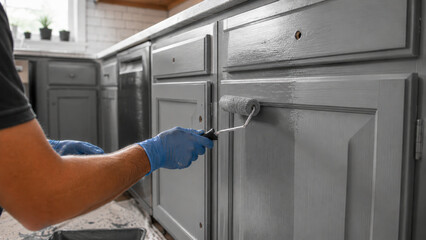
Trending Cabinet Colors and Finishes for Modern Kitchens

Replacing your entire kitchen is a big commitment. So, you’ll want to make sure your cabinets look great for years to come.

cabinet painting

Whether you love an earthy aesthetic or prefer bursts of color, there are plenty of cabinet paint trends to choose from this year. Read on to discover some of our favorite hues and stunning finishes that amplify them. Contact Modesto Cabinet Painters for more details.

Fantasia Blue

One of the most popular cabinet colors, blue shades can range from pale pastels to bold navy. The latter can be a dramatic choice that instantly elevates your kitchen, says Nasir, especially when paired with warm white accents or natural wood elements. If you’re nervous about making such a big color statement, consider painting just the island to act as a focal point.

Earthy greens are another cabinet trend to try. This year’s hues are more muted than past seasons, bringing organic calm into your kitchen and serving as a natural backdrop for other design elements.

For a more vibrant option, look no further than stormy blues like Sherwin Williams’ Rain Cloud or Benjamin Moore’s Blue Danube. These deep ocean tones evoke the sense of connection we feel with nature, notes Sherwin Williams’ 2023 ColorMix, and can help a kitchen feel like a true part of its surroundings.

Medium tones are also popping up in kitchens. These rich browns and tans have a warmth that helps balance other kitchen trends, such as the softer neutrals and earthy blues we see above. They also hide smudges, fingerprints and other everyday debris better than lighter tones, which makes them ideal for busy homes. For a clean, sleek appearance, pair these shades with brushed nickel or chrome hardware.

Dusty Lavender

Purple is a fun color that works well for kitchens. From dusty lavender to rich lilac and deep aubergine, these hues play nicely with wood, stone, brass, and more. Lighter shades add a soft, feminine touch, while darker tones feel luxurious and evocative. Whether you opt for full purple kitchen cabinets or a pop of color on the island, these shades create an airy aesthetic that complements white countertops and wood flooring.

A connection to nature inspires many of this year’s shade of the year selections. Sherwin Williams’s Rain Cloud, for example, suggests a connection to the natural ocean landscape and is an appealing alternative to neutral shades that can feel cold. Greens also echo nature, with a range of tones from tranquil moss greens to muted cyans and whispery mint.

Darker hues like Sherwin Williams’ Garden Gate have a bluish tint that pairs nicely with cooler tones. Meanwhile, Plain & Fancy’s Tamarind offers a rich chocolate stain that can stand alone as an accent or pair with wood and stone elements. Dark wood stains also play well with the natural blues and greens that are popular this year. Ultimately, however, it’s important to remember that trends can provide guidance, but your personal preference is what will truly make your kitchen a home.

Cherry Taupe

When done right, earthy shades can bring a modern kitchen into its own. With warm and earthy accents, natural wood grains, and a touch of white, these colors work with a variety of different styles of cabinetry. From Sherwin Williams’ Arboreal to Valspar’s Desert Sand, this trend is a great way to balance your cabinets without feeling too overdone or dated.

While all-white aesthetics may be getting some flak, Hackett says she’s still seeing a shift towards creamier shades like Wimborne White. She also thinks the trend for lighter greens like Sherwin William’s Arboreal is on the rise. This shade offers a soothing, refreshing look that pairs well with light hardwoods and stone.

For a bolder option, Nasir notes that she’s seeing deep reds and burgundies re-enter the design sphere again. “As dramatic as these colors can be, they’re sophisticated and add a sense of elegance to any room,” she explains.

To maintain a polished appearance, she recommends pairing them with metallic finishes and layered lighting. Oil-rubbed bronze looks stunning with Denim Blue and Silas cabinetry, while brushed nickel highlights warmer neutrals like Ash Gray or Saddle.

Arizona Dust

Amid a sea of blues and earthy browns, Sherwin Williams reports that mid-tone greens are also making waves in the kitchen. Inspired by nature, these greens offer a connection to the outdoors without feeling too tropical or overbearing. They’re perfect for homeowners who want to add a fresh, organic element to their kitchen design.

White is still popular for cabinets, but 2024 features a softer, more muted take on the classic hue. These neutral shades are more versatile than ever, blending beautifully with natural wood tones and complementing copper and wrought iron accents. They’re ideal for high-traffic spaces that require a durable finish that will stand up to wear and tear.

For stained cabinetry, tung oil and Danish oil are popular options that provide water resistance and a natural appearance. These finishes penetrate the wood rather than sitting on top of it, allowing you to easily repair damage or refresh the color without the need for extensive refinishing. Nitrocellulose lacquer is another option that offers exceptional durability and can be polished to a range of sheen levels. However, it requires professional application since it needs to cure in climate-controlled conditions. It’s also more expensive than other options but can be worth the investment in high-end installations.

Wandering Vine

Cabinets are the center of any kitchen design, and the color choice you make sets the tone for the rest of your space. With so many options available, you have the opportunity to create a kitchen that feels fresh and inviting. From light neutral shades to deep earthy tones, these trends are sure to bring your dream kitchen to life.

Millennial gray cabinets are definitely a thing of the past, and while they may look trendy in photos, the color can feel too cold and uninspiring in person. To keep your kitchen feeling modern, consider a warmer white shade like Dove or Cascade. Alternatively, a rich cream like Sherwin Williams’ Garden Gate can offer a more balanced warm and cool effect and complements a wide range of natural tones and styles.

If you prefer a bolder cabinet color, dark reds and burgundies are a rising trend in kitchens across Tuscaloosa. Although these shades may seem dramatic, they can be sophisticated when paired with the right accents. Choose a subtle glaze or stain such as Sherwin Williams’ Tudor to elevate a bolder wood style, while stains like Desert Sage and Cocoa pair well with lighter paint finishes and natural wood countertops. When it comes to choosing hardware, neutral shades like Denim Blue or Silas look beautiful with oil-rubbed bronze and warm tones like Tamarind pop with brushed brass.

Terra Green

Replacing cabinetry every few years is a big investment, but you can refresh your kitchen without breaking the bank by changing up the color and finish. Trends may inspire you to try a new shade, but it’s important to consider how that shade will coordinate with your flooring, countertop, and lighting. The best cabinet paints and stains for modern kitchens provide versatility, hiding scuffs and fingerprints with ease while adding a splash of personality.

Earthy shades like terra green enliven the space, blending nicely with other natural colors and textures. It is also a great option for creating a neutral backdrop to showcase decorative elements and hardware. The mossy hue pairs well with wood tones such as walnut or hickory.

Whites continue to remain a popular choice for kitchen cabinets, particularly warmer options such as Dove White and Cascade White. These rich, buttery tones add a touch of warmth and texture while complementing a wide range of wood finishes and metal accents. Homeowners are also exploring two-tone cabinetry, combining white with medium wood tones for a warm and inviting look. Mixing finishes and materials is another popular design element that we expect to see more of in 2023. According to House Beautiful, this may include pairing wood cabinet towers with painted lower cabinets or introducing a darker stain for an island that sits on top of a natural-looking quartz surface.

Daydream

The earthy shades we’ve already explored continue to hold a strong presence in kitchen color trends for 2023. While deep azure and forest green remain popular, Houzz reports that there’s also been a rise in lighter, minty shades such as Wandering Vine. These tones provide a fresh, revitalizing alternative to traditional white and work well with many of the overarching natural design trends that we’re seeing across homes today.

In addition to capturing the beauty of nature, some of these trending cabinet paint colors and finishes are also practical for homeowners who want a low-maintenance aesthetic. Lighter tones like Soft White and White Sand help small kitchens feel more open and bright, while darker hues such as Dragon’s Breath and Braun hide fingerprints and scuffs more easily than some other shades.

Regardless of what shade you choose, the key to creating a stunning kitchen is pairing it with a finish that complements your other hardware and design elements. For example, dark stains like Denim Blue pair well with oil-rubbed bronze hardware while warm shades such as Muskoka Trail pop against brushed nickel or brass. To find the perfect combination for your home, contact our team to schedule a time to meet with one of our designers in person.

Shaping the Future of Shelter Through Metal Roof Installation

A roof defines how a structure breathes, ages, and protects. Install Metal Roof In Helena is more than construction—it’s transformation. It reshapes durability into design and turns practicality into art. Each panel placed is a statement of resilience and precision.

roofing

Metal roofing has evolved beyond industrial appeal. It now represents sustainability, adaptability, and architectural sophistication. Homeowners and builders choose it not just for longevity, but for the harmony it brings between function and form. It reflects both light and innovation.

The process begins with vision. Installation requires an understanding of climate, structure, and rhythm. Each measurement, angle, and fastener serves a specific purpose. A metal roof’s perfection lies in its symmetry and silence under stress.

Preparation determines success. Before any panel is installed, the surface must align with precision. The base structure must balance strength and flexibility. A flawless foundation prevents future strain and amplifies efficiency.

Modern metal roofs are engineered to respond to their environment. They contract and expand subtly with temperature shifts. This built-in adaptability preserves their form over decades. Nature tests them, and they respond with quiet endurance.

Innovation has changed how metal roofs are installed. Advanced fasteners reduce noise and increase watertightness. Hidden clips eliminate visible seams for a cleaner aesthetic. The combination of technology and craftsmanship defines the new era of roofing.

Installing a metal roof today also means thinking about sustainability. Many materials used are recyclable and environmentally efficient. Reflective coatings reduce heat absorption, improving energy performance. Each roof installed contributes to a quieter environmental footprint.

The artistry lies in precision cutting. Panels must align without visible irregularities. Skilled installers measure not once but multiple times before each cut. This meticulous care transforms raw material into an architectural statement.

Design variety has redefined public perception. Metal roofing can mimic stone, tile, or even wood. This versatility allows it to blend with traditional or modern aesthetics. It adapts to identity while maintaining strength.

When installing, sound control is a priority. Modern underlayment layers absorb vibration from rainfall. The result is a tranquil experience beneath a surface known for endurance. Comfort meets technology in perfect harmony.

Ventilation is a silent partner in metal roof installation. Proper air channels prevent condensation and thermal buildup. This enhances longevity while keeping interiors naturally balanced. Good roofing breathes without ever showing it.

Another evolving concept is modular roofing installation. Prefabricated segments simplify the process while maintaining accuracy. This innovation shortens installation time and minimizes waste. The method reflects the future of smart construction.

Precision fastening remains the backbone of stability. The spacing, angle, and pressure of each screw matter. One misplaced fastener can alter performance. Skilled hands treat every detail as critical to longevity.

Weatherproofing has become more scientific. Sealants now react intelligently to moisture and temperature changes. They expand and contract in harmony with metal surfaces. This ensures lasting protection even through extreme shifts.

Installation no longer ends with placement—it extends to inspection. Every ridge and overlap undergoes scrutiny. The visual alignment reflects the installer’s craftsmanship. Perfection is found in uniformity and balance.

Technology assists the process through digital mapping. 3D models simulate airflow, sunlight reflection, and load distribution. This data-driven precision enhances both aesthetics and endurance. It’s the meeting of artistry and engineering.

Eco-conscious installations are on the rise. Metal roofs can integrate solar technology seamlessly. This dual function transforms a roof from passive protector to active energy producer. Sustainability becomes both visible and functional.

The installation process also respects acoustics. Noise-reducing materials beneath panels redefine comfort. The roof becomes a filter that absorbs external chaos. This creates peace beneath every layer of metal.

Safety standards have elevated the profession. Installers use advanced harness systems and lightweight tools. Efficiency meets protection, ensuring each project proceeds without compromise. Every roof completed represents both skill and care.

The beauty of installing a metal roof lies in its timeless rhythm. Panels lock together like musical notes forming harmony. The pattern reflects balance and continuity. It’s construction that speaks through structure.

Climate adaptation drives innovation further. Specialized coatings resist corrosion and ultraviolet damage. These microscopic layers extend life spans exponentially. Science and design now share the same surface.

Customization plays a larger role than ever before. Colors, textures, and finishes mirror personal taste and cultural context. Metal becomes expressive without losing practicality. The result is individuality wrapped in resilience.

Thermal insulation integrates naturally into the system. Beneath the surface, reflective barriers control heat transfer. This reduces dependency on artificial cooling systems. Energy efficiency becomes a built-in advantage.

Digital monitoring systems are the newest frontier. Smart sensors detect leaks, pressure shifts, and thermal variations. They send real-time alerts for maintenance. Roofing is now interactive and intelligent.

The craftsmanship extends beyond installation into legacy. Properly installed metal roofs last generations. They age gracefully, developing character over time. The beauty of endurance becomes their signature.

During installation, precision timing matters. Working in controlled conditions ensures adhesion and stability. Moisture and temperature dictate success. Patience becomes part of craftsmanship.

The process invites a dialogue between past and future. Traditional techniques of alignment meet modern measurement systems. This fusion maintains the human touch while embracing digital perfection. Craftsmanship evolves without losing its soul.

Metal roofing’s influence extends into design psychology. The clean lines and reflective surfaces symbolize order and clarity. They bring a sense of calm to architectural form. Aesthetic minimalism meets mechanical strength.

The act of installation is also a lesson in balance. Too tight, and panels buckle; too loose, and wind invades. Each motion requires feel and foresight. The installer’s instinct becomes as crucial as their tools.

Maintenance planning begins on installation day. Every seam and flashing point is recorded for future inspection. A well-documented roof becomes easier to preserve. Prevention replaces repair through knowledge.

Water management shapes the unseen success of the installation. Gutters, slopes, and drip edges synchronize to control flow. Proper direction prevents stagnation and damage. Function supports longevity through invisible design.

As trends shift, minimalism defines the newest metal roof designs. Smooth, seamless finishes dominate modern architecture. The result is elegance through simplicity. Every roof becomes a quiet monument to restraint.

Some installers integrate lighting directly into roofing structures. Subtle illumination highlights contours and form. This merging of function and beauty enhances visual identity. The roof becomes an artwork by night.

The use of recycled metals adds ecological depth. It turns discarded materials into new protection. Each installation becomes part of a circular design philosophy. Sustainability turns into craftsmanship with conscience.

Metal roof installation also redefines property value perception. It symbolizes permanence and forward thinking. Investors view it as both protective and progressive. A roof becomes a tangible expression of foresight.

As urban heat increases, reflective metal roofs mitigate impact. They bounce sunlight away, reducing urban temperature rise. Installation choices now contribute to environmental balance. Every panel helps protect more than a single home.

In modern construction, collaboration drives success. Architects, engineers, and installers work in synchronized precision. Shared data ensures visual and structural harmony. The result feels engineered yet organic.

The emotional element of installing a metal roof is rarely discussed. There’s pride in sealing the final seam. It’s the moment when craftsmanship turns into shelter. Protection becomes personal.

Emerging designs now feature dynamic color technology. Roofs change hue under different lighting conditions. It introduces subtle animation to static surfaces. Architecture begins to breathe visually.

The acoustic behavior of metal continues to evolve. New textures diffuse sound waves instead of amplifying them. This transforms perception from harsh to serene. Innovation redefines how we hear shelter.

Each installation tells a story of endurance and innovation. From cutting to fastening, every action holds meaning. The roof above becomes a reflection of progress below. It’s humanity’s ongoing dialogue with its need for protection.

Looking ahead, the installation process may become fully automated. Robots could measure, align, and secure panels with micro-level accuracy. Human expertise will guide precision through programming. The blend of intelligence and instinct will redefine craftsmanship.

Yet even with all technology, the human touch remains irreplaceable. The feel of alignment, the sound of a perfect fit, the rhythm of installation—these can’t be coded. The art of metal roof installation will always belong to human hands.

When completed, a metal roof stands as a symbol of endurance and innovation. It embodies care, calculation, and creativity. Beneath it, life continues in comfort and security. Above it, the future reflects in every metallic gleam.

Visit our Professional Services Blogs

Chris Atkins Lawncare, Atticus Landscaping, Treasure Coast Pressure Wash, Gulf Beach Plumbing, Marlborough Plumbing, Guns And Hoses Pressure Washing, Ambrose Construction, Coral Gables Pressure Washing, Willco Photography, Roofing Akron, Danalogsdon Roofing El Cajon, EC Siding Roofing Windows, Aurora Gutter, American Insurance Source, ECO, etdn, Denison Service League,  Roofing Blog, Atlantic Vinyl Windows, Brookshires Fireplaces, JD Advanced Remodeling, Product Judgment, Master Dry Foundation Repair, Moe’s Hip, Elta Patio Paramount, Rock Around The Clock Festival, Learn, Play, Beyond, MoralesT Gardening, Car Window Tinting Perth, Duncan Carpentry, Gatestone Lighting, Mid Missouri Mold Inspections, Stucco Repair Albuquerque, Wausau Siding Hire, Munster Tree Care, Blue Granite Homes, Custom House, CENTRAL OS, Atlanta Pavers, Phillips Law Firm, Brent Ryder MasonryWalker Construction Drywall Division, RJ Law, Caledon Plumbing, DDS Tech USA, Maine Mortgage Services, Inckpen, Seasons at Rose Creek, Cottonwood Place Dental, Cosmetic Laser 2000 

The Importance of Link Juice

Link juice is the “power” that a webpage passes on to other pages. This power is determined by the relevance, reputation, and authority of the linking page. It is also influenced by the number of links and whether they are located in the content body or footer.

Link Juice

The best way to increase your link juice is to create shareable, link-worthy content. This includes writing authoritative articles and creating listicles that are incredibly useful for your target audience.

Link building is the process of accumulating link authority and boosting your website’s search engine ranking. It can be done through a variety of techniques, including guest posting, social media marketing, and press releases. The key to successful link building is creating quality content that attracts natural backlinks and improves your site’s authority. In addition, it is important to make sure that your links are dofollow and that they are contextually relevant to your niche. Moreover, your links should be placed within the body of your content rather than in the footer or sidebars. This will ensure that the crawlers can easily find your links and pass on their link juice.

While the term “link juice” has been largely supplanted by other terms like page authority and SEO value, it remains a useful shorthand for how ranking power is transferred from one web page to another. This value is transferred through both internal links (links to pages within a website) and external links (links to other websites). Whether it is an inbound or outbound link, each link has its own unique SEO value that is determined by its relevance, authority, and domain name.

The more quality inbound and internal links a webpage has, the higher it will rank on search engines. However, not all links are created equal and the amount of link juice a page passes is influenced by several factors, such as the authority of the linked page, its anchor text, DoFollow versus NoFollow, and placement. In order to maximize the amount of link juice a page receives, it is best to create interlinked content hubs that link to each other based on thematic relevance.

A good way to distribute link juice throughout your site is to create internal links between high-ranking and low-ranking pages. This will help your weaker pages gain some of the authority of the stronger ones, thereby improving their chance of ranking. This strategy can also be applied to individual articles on your blog by linking them to related articles in a relevant category. However, it is important to note that you should only link to external resources that are reputable and provide valuable information to your readers.

Internal linking

Internal linking is a crucial component of effective SEO strategies. It helps distribute link equity to different pages, boosting their authority in search engine results. It also provides a better understanding of a website’s content by establishing contextual relationships between pages. In addition, it increases search engine crawlability by facilitating navigation between pages. Moreover, it ensures that search engines understand the relevance of a page’s content and its importance. Lastly, it can improve search engine rankings by promoting your content.

Link Juice operates on the assumption that hyperlinks are endorsements or votes of confidence from one page to another, indicating to search engines that a linked content is valuable and relevant. However, the amount of link juice a page passes is not uniform and varies according to several factors. For instance, links embedded within the body of a post or article carry more weight than those in footers or sidebars. Furthermore, links with the nofollow attribute don’t pass any link juice. Hence, it is important to identify and fix broken links to avoid losing precious link juice.

The best way to increase your link juice is by building a high-quality backlink profile and optimizing your website’s structure. Moreover, you should use relevant anchor text and conduct regular site audits to maintain link quality. Furthermore, you should avoid using unethical link-building tactics such as buying links. This will improve your site’s domain authority and boost its search engine rankings.

While external links are an important aspect of SEO, internal links play a critical role in distributing link juice. They can improve a site’s crawlability, boost its domain authority, and boost specific pages’ SEO. The best way to improve your internal links is by using link-building software, which automatically finds and suggests appropriate link opportunities in minutes.

The process of enhancing internal links is labor intensive, especially for large websites. It can be time consuming and budget-depleting to manually find all the links that need to be fixed. Link-building software automates this tedious and time-consuming task, identifying and reclaiming broken links in minutes. In addition, it can provide keyword analysis to help you determine the best link-building opportunities.

Redirecting old pages

Link juice is a crucial factor that can improve your search engine optimization (SEO) performance. It passes authority, relevance, and credibility through hyperlinks, boosting a page’s ranking potential on SERPs. To increase your website’s link juice, ensure that your content is relevant and high quality, and utilize internal linking and interlinking strategies. Also, make sure to use 301 redirects when restructuring your site or changing URLs.

The location of a link on a web page may influence its link juice, as Google’s algorithms use interaction signals to assess content relevance for specific queries. Generally, links located higher up on a web page receive more link juice than those lower down. However, this relationship is indirect and requires further analytic investigation to determine how links’ position on a page impacts their SEO value.

In addition, the type of text used as the anchor for a link can affect its link juice. Using descriptive, keyword-rich text can help Google understand the context of a linked page and its relevance for certain searches. The link’s HTTP status may also impact its link juice, with pages that resolve as 200s or permanent 301s passing less equity than those that resolve as 302s or temporary 301s.

Links from authoritative sources are more likely to pass link juice, as they’re seen as endorsements or votes of confidence. These endorsements can boost a page’s ranking, especially when they come from authoritative sites in the same niche. However, links from low-quality websites can degrade a page’s link juice.

The number of outgoing links a page has can also affect its link juice. The more outgoing links a page has, the less link juice it will pass. Additionally, links from reputable and authoritative websites will pass more juice than those from low-quality or spammy sites. Lastly, avoid engaging in black hat tactics such as buying links, which can harm your ranking potential. The bottom line is that you want to pass as much link juice as possible to your most important pages, which may be signup or a product or service landing page.

Link reclamation

Link reclamation is the process of finding and fixing broken links that affect your site’s SEO. This is an important part of any link building strategy, as it can help you maintain your DA and improve your site’s visibility in search engines. There are a variety of ways to find and fix these links, including identifying them with tools like Ahrefs and Moz. However, you need to be proactive and regularly check your backlinks for any problems.

Several factors can cause broken links, such as page deletions or URL changes. These can cause your website to lose valuable SEO equity and lower your search engine rankings. Reclaiming lost links can be time-consuming, but it is a necessary step in ensuring that your SEO strategy is effective.

In addition to affecting your SEO, broken links can also hurt user experience. When users click on a link that redirects to a 404 page, they will likely leave your website and may not return. Moreover, a 404 error message can negatively impact your brand image.

Reclaiming lost links can be a time-consuming and complicated task, but it is essential for improving your website’s SEO. It involves identifying the causes of the broken links and contacting the referring websites to ask them to fix them. It can also involve rewriting internal and external links to match their new URLs.

Link juice is the amount of SEO value that a page passes on to other pages within a website. It is determined by the number of links on a given page, the domain authority of those linking pages, and the page’s content. A high-authority page can pass more link juice than a low-authority one.

Internal links are a vital aspect of any link-building campaign. They can help you improve your search engine ranking by distributing link juice throughout your site. They can also provide a good source of traffic and increase your website’s credibility. However, many websites have pools of link juice that are untapped due to a lack of proper internal linking.

Broken links are a common problem that can devastate a website’s SEO. They are often found in the form of nofollow or 404 errors and are often ignored by webmasters. Moreover, they can dilute the link juice of other pages and waste valuable SEO equity. This is why it’s important to fix them as soon as possible.

Why Hiring a Fence Company is a Good Idea

A fence protects your home and property, securing children, pets, and possessions. It also encloses outdoor spaces and defines your landscape. A quality fence withstands the elements, and it enhances your home’s style and resale value.

Fence Company

Experienced fence contractors will consult with you on materials, local terrain and zoning laws. They will provide clear estimates and deliver a finished product that you can count on season after season.

Professional fence contractors are licensed, bonded, and insured, which means that they’ll be covered should something go wrong during the process. They’ll also work quickly and efficiently. They’ll be able to complete the entire project in a fraction of the time that it would take you if you were to do it yourself.

A well-installed fence is critical to the safety and longevity of your home. This is especially important if your property sits near a highway, river, or other busy road. In addition, a fence can help protect your pets and children from intruders while providing you with a sense of privacy. Homebuyers will often pay a premium for homes with fences because they provide valuable benefits like security and privacy.

Putting up a fence is hard work. It requires careful measurement, and even a slight miscalculation can result in a crooked or uneven fence. Additionally, the work is done in hot weather, which can make it difficult to concentrate and stay focused. It’s easy to get frustrated and give up on the project, which can lead to subpar workmanship.

When you hire a fence company to install your fence, they’ll have the tools and equipment needed to do it right. They’ll also have the expertise to choose and install the best materials for your needs. They’ll be able to provide insights into fencing materials and their pros and cons, as well as recommend custom solutions that are perfect for your property.

They’ll ensure that your fence complies with local zoning regulations and building codes. Failing to follow these requirements can result in costly fines and legal complications for you. Fence professionals will take care of everything, from obtaining the necessary permits to ensuring that your fence is safe and durable.

A professional fence company will offer you peace of mind, which is particularly important if you’re planning to sell your home in the future. A shoddy fence can detract from the value of your property, so you should work with a reputable company to make sure that your fence is a good investment.

Guarantees

A fence is an important investment that not only adds to your home’s curb appeal but also increases the value of your property. It’s also a significant investment in time and money, so it’s important to choose a company that will stand behind their work with a guarantee. A good fence company will offer a warranty on their products and workmanship, as well as any materials they use. Make sure you understand what’s covered by the warranty and get all terms in writing.

This warranty is not to be construed as a representation that the fence material or components will remain free from defects or inconsistencies for the period indicated, nor does it cover any additional costs, labor or fees to install or replace any defective materials or component parts. This warranty is conditioned on the purchaser maintaining the fence in a proper and normal manner.

In the event that a claim under this warranty is made, it must be submitted in writing to American Fence Company within thirty (30) days of the date that the defect was first discovered or could have been reasonably discovered. Any claim that is not submitted in accordance with this paragraph will be deemed to have been waived.

If the installation is done by an unlicensed installer, a homeowner will be responsible for all costs and fees associated with repairing any damage to their home. In addition, a licensed contractor will be able to provide proof of insurance and will be bonded for your protection.

All fence materials are subject to natural characteristics including shrinking, warping, checking and the occurrence of small cracks in the wood surface as a result of the freeze/thaw cycle and other seasonal weather changes. This is a normal characteristic of all wood products and is therefore not warranted.

If any of the plans, specifications and drawings that are provided to Fence Fanatics for reliance in making a bid later prove to be incomplete or inaccurate to an extent that Fence Fanatics cannot reasonably utilize the same parts and materials that were quoted, Fence Fanatics reserves the right to amend the bid.

Peace of Mind

Peace of mind is a state of inner calm and contentment that’s often hard to find in today’s hectic world. Whether you struggle with anxiety, stress, or depression, or you’re struggling to find time for yourself in this fast-paced society, you may be finding it difficult to achieve peace of mind at work or home. If this is the case, it’s important to look for ways you can improve your quality of life by taking action and making changes. One way to do this is by hiring a fence company to construct a fence around your property. This will help you create a beautiful, eye-catching barrier to protect your space and provide privacy to those who live inside your home.

When you hire a professional, they will know how to construct your fence properly so it can stand up to the elements and remain sturdy over time. They’ll use high-quality materials to ensure the fence is durable, which will give you peace of mind knowing your investment in your property will last. Professionals will also be able to finish the job quickly and efficiently, saving you both time and money.

Another benefit of working with a professional fence company is that they offer comprehensive fencing services, so you won’t have to worry about sourcing different contractors for installation and repair. Moreover, they will usually provide warranties on their work, which will give you peace of mind that you’re covered in the event something goes wrong with your fence.

Finally, a fence company will help you maintain your fence over time with regular inspections and cleaning. They’ll help you identify any minor damages or wear and tear, which can be easily fixed so that your fence doesn’t become weakened or damaged. Additionally, they can assist you with keeping your fence clean and free of debris to enhance its aesthetic appeal and prolong its lifespan.