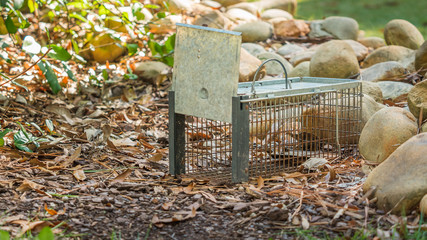
It usually begins with strange noises late at night. Scratching sounds above the ceiling, heavy footsteps in the attic, or overturned trash bins outside the home can quickly turn into a stressful mystery for homeowners. At first, many people assume the sounds are caused by small rodents or outdoor animals passing through the area. However, when the activity becomes louder and more frequent, the real problem often becomes clear. Raccoons may have found their way onto the property or even inside the home itself.
Raccoons are intelligent and highly adaptable animals that can create serious problems when they invade residential areas. They are known for damaging roofs, tearing insulation, contaminating attics, and creating safety concerns for families and pets. Because raccoons can become aggressive when threatened, handling the situation without professional help may increase risks rather than solve the problem. A professional Raccoon Removal Service Texas is designed to remove raccoons safely while helping homeowners prevent future wildlife invasions. Understanding how these services work and why professional removal is important can help protect both the home and the people living inside it.
Why Raccoons Invade Residential Properties
Raccoons are constantly searching for food, water, warmth, and safe shelter. Residential neighborhoods often provide all of these necessities, making homes especially attractive to wildlife.
Trash bins are one of the most common reasons raccoons visit residential properties. Their strong paws and problem solving abilities allow them to open containers and search for leftover food. Pet food left outdoors can also attract raccoons, along with bird feeders and accessible compost piles.
During colder seasons or breeding periods, raccoons frequently search for sheltered areas to build nests. Attics, crawl spaces, garages, chimneys, and roof cavities provide warmth and protection from harsh weather conditions. Female raccoons often choose attics as nesting locations because they are quiet and hidden from predators.
Once raccoons settle into a property, they may continue returning if food and shelter remain available. This is why long term prevention is just as important as the initial removal process.
Signs That You May Need a Raccoon Removal Service
Raccoons are mostly nocturnal, which means they are active during the night. Many homeowners first notice the problem because of unusual sounds coming from the attic, roof, or walls after dark.
Heavy thumping noises are one of the most common signs of raccoon activity. Unlike mice or rats, raccoons are much larger, so their movement tends to sound louder and more noticeable. Scratching and dragging sounds may also occur as they move through insulation or nesting areas.
Outside the home, overturned garbage bins and scattered trash often indicate raccoon activity. Homeowners may also notice paw prints, damaged vents, torn shingles, or openings near roof edges where raccoons have entered.
Strong odors inside the attic or crawl space can signal nesting activity or waste accumulation. Raccoons often contaminate insulation and surrounding areas with urine and droppings, which can create unpleasant smells and sanitation concerns.
In some cases, homeowners may actually spot raccoons during the daytime. While occasional daytime activity is not always unusual, frequent daytime sightings can sometimes indicate illness or food shortages.
Recognizing these signs early allows homeowners to address the problem before significant damage occurs.
The Dangers of Having Raccoons Inside the Home
Many people underestimate the risks associated with raccoon infestations. While raccoons may appear harmless from a distance, they can create serious safety and health concerns when they enter residential spaces.
One of the biggest dangers is structural damage. Raccoons are strong animals capable of tearing shingles, damaging vents, ripping insulation, and widening small openings in roofs or walls. Their activity can weaken parts of the home and create entry points for additional pests.
Contamination is another major issue. Raccoon droppings and urine can spread bacteria and parasites throughout attic spaces. These contaminants may affect indoor air quality and create health risks for homeowners if cleanup is not handled properly.
Raccoons may also carry diseases that can affect humans and pets. Although not every raccoon is dangerous, direct contact should always be avoided because aggressive behavior is possible when animals feel trapped or threatened.
Female raccoons protecting their young are especially defensive. Attempting to remove raccoons without proper training can increase the risk of bites or scratches.
Because of these risks, professional wildlife removal is usually the safest and most effective solution.
How Professional Raccoon Removal Services Work
A professional raccoon removal service begins with a detailed inspection of the property. Wildlife specialists search for entry points, nesting areas, damage, and signs of raccoon activity throughout the home.
The inspection helps determine how raccoons are entering the property and whether babies or multiple animals are present. This step is important because removal methods may vary depending on the situation.
Humane trapping and exclusion techniques are commonly used during the removal process. Professionals focus on removing raccoons safely while reducing stress to the animals whenever possible. If baby raccoons are found, special care is taken to ensure they are reunited with the mother when appropriate.
After removal, the damaged entry points are usually sealed to prevent future wildlife access. Roof vents, soffits, chimneys, and gaps near roofing materials are common areas that require repair or reinforcement.
Some raccoon removal services also include attic cleanup and sanitation. Contaminated insulation and waste materials may need to be removed to improve indoor air quality and reduce lingering odors.
The goal of professional removal is not only to eliminate the current infestation but also to prevent recurring problems in the future.
Why DIY Raccoon Removal Can Be Risky
Some homeowners attempt to remove raccoons on their own using traps or deterrents found online. While this may seem like a cost saving solution, do it yourself wildlife removal often creates additional problems.
Raccoons are intelligent and unpredictable animals. Cornered or frightened raccoons may become aggressive, especially if babies are nearby. Without proper equipment and experience, homeowners risk injury during attempted removal.
Improper trapping can also separate mothers from their young, leaving baby raccoons trapped inside the home. This often leads to foul odors, contamination, and additional wildlife issues if not handled correctly.
Another common mistake is sealing entry points before confirming all raccoons have been removed. Trapped animals may panic and cause even more damage while searching for escape routes.
Professional removal specialists understand animal behavior and follow safe procedures designed to protect both homeowners and wildlife. Their experience helps prevent unnecessary risks and ensures the problem is handled properly from the beginning.
Preventing Future Raccoon Infestations
Removing raccoons is only part of the solution. Long term prevention is essential because raccoons often return to areas where food and shelter remain accessible.
Securing trash bins is one of the most effective prevention methods. Heavy lids and wildlife resistant containers help reduce access to food sources. Pet food should also be brought indoors at night to avoid attracting animals.
Roof maintenance plays a major role in prevention as well. Damaged shingles, loose vents, and gaps near roof edges should be repaired quickly because raccoons can squeeze through surprisingly small openings.
Tree branches hanging close to the roof may provide easy access to attics and upper areas of the home. Trimming these branches can make it more difficult for raccoons to climb onto the property.
Outdoor clutter should also be minimized. Wood piles, debris, and unused storage areas create shelter opportunities for wildlife. Keeping the exterior clean and organized reduces hiding spots around the property.
Routine inspections help homeowners identify vulnerabilities before raccoons take advantage of them.
The Importance of Attic Cleanup After Removal
After raccoons are removed, homeowners sometimes overlook the condition of the attic or nesting area. However, cleanup and restoration are critical parts of the recovery process.
Raccoons often leave behind droppings, urine, nesting materials, and damaged insulation. These contaminants can create lingering odors and may affect indoor air quality over time.
Insulation damaged by raccoons may lose its effectiveness, causing energy efficiency problems inside the home. Replacing contaminated insulation helps restore proper temperature control while improving sanitation.
Professional cleanup services often involve disinfecting affected areas and removing hazardous waste materials safely. This process reduces the risk of bacteria and parasites remaining inside the home.
Restoring damaged areas also helps prevent future wildlife problems by removing scent markers that may attract other animals later.
How Seasonal Changes Affect Raccoon Activity
Raccoon activity often changes throughout the year, which influences when homeowners are most likely to experience infestations.
During colder months, raccoons seek warm and protected nesting areas indoors. Attics become especially attractive because they provide insulation and shelter from harsh weather.
Spring is another active period because female raccoons search for safe nesting locations to raise their young. This is why attic infestations frequently occur during breeding seasons.
Summer may increase raccoon activity around outdoor food sources such as trash bins and gardens. Dry conditions can also drive wildlife closer to homes in search of water.
Understanding these seasonal patterns allows homeowners to take preventive steps before raccoons become established inside the property.
Final Thoughts
Raccoons may appear harmless from a distance, but they can create serious problems when they invade homes and residential properties. From structural damage and contamination to health and safety concerns, raccoon infestations should never be ignored.
Professional raccoon removal services provide safe and effective solutions for removing wildlife while preventing future infestations. Through inspections, humane removal methods, entry point repairs, and attic cleanup, homeowners can restore safety and comfort to their property.
Long term prevention is equally important. Securing food sources, maintaining the roof, trimming tree branches, and scheduling regular inspections all help reduce the chances of raccoons returning.
Addressing raccoon activity early allows homeowners to avoid expensive repairs and protect their homes from ongoing wildlife damage. With the right prevention strategies and professional assistance, homeowners can maintain a cleaner, safer, and more secure living environment throughout the year.
