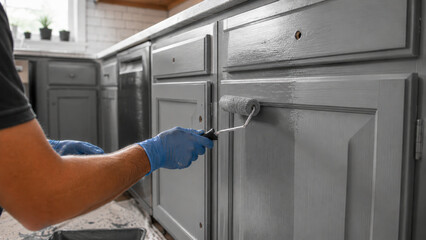
A simple change in cabinet color can completely transform the appearance of a kitchen, bathroom, laundry room, or storage area. Instead of removing perfectly functional cabinets and replacing them, painting can provide a fresh look while preserving the existing layout. However, choosing the right cabinet painting option involves more than picking a color from a paint chart.
The type of paint, finish, application method, surface material, and desired style can all affect the final result. Understanding the different Cabinet Painting Sacramento options can help homeowners create a look that is attractive, practical, and suitable for everyday use.
Choosing Between Light and Dark Cabinet Colors
One of the most noticeable cabinet painting options is the choice between light and dark colors. Light cabinet colors can make a room feel brighter, cleaner, and more spacious. Shades of white, cream, beige, soft gray, and other neutral tones can create a timeless appearance that works with many interior styles. Light colors can also make it easier to change other decorative elements in the future because they tend to complement a wide range of flooring, countertops, walls, and hardware.
Dark cabinet colors can create a more dramatic and sophisticated appearance. Deep gray, navy, charcoal, brown, and other rich shades can add depth and visual interest to a room. Dark cabinets may work particularly well when balanced with lighter walls, countertops, or flooring. However, darker colors can make a small room feel more enclosed if there is not enough natural or artificial lighting. The best color choice depends on the room’s size, existing features, personal taste, and desired atmosphere.
Neutral Cabinet Painting Options
Neutral colors remain popular because they offer flexibility and long-term appeal. White cabinets can create a clean and classic appearance, while warm beige and cream tones can produce a softer and more welcoming effect. Gray provides another versatile choice and can range from very light shades to deeper tones. Neutral colors can work with both traditional and modern design approaches, making them useful for homeowners who want an adaptable finish.
Another advantage of neutral cabinet colors is that they can make future decorating changes easier. Homeowners can update wall colors, countertops, decorative accessories, and hardware without necessarily needing to repaint the cabinets. Neutral cabinetry can also appeal to people who prefer a subtle appearance rather than bold visual changes. When properly prepared and painted, a neutral finish can make older cabinets look cleaner and more current.
Bold and Colorful Cabinet Choices
For homeowners who want their cabinets to become a focal point, bold colors can create a distinctive appearance. Deep green, blue, muted red, rich brown, or other strong shades can add personality to a room. Colorful cabinets can work especially well when the rest of the space uses more restrained colors. This approach allows the cabinetry to become one of the most noticeable design features.
Bold cabinet colors should be selected carefully because they can influence the overall mood of a room. A strong color may look different depending on natural light, artificial lighting, surrounding surfaces, and the size of the space. Testing a small area before committing to the entire cabinet system can help homeowners understand how the color will actually appear. Choosing a bold color does not mean the room has to look overwhelming. Balanced combinations can create a stylish and cohesive result.
Matte, Satin, and Glossy Finishes
The paint finish is another important cabinet painting option. Matte finishes have a low sheen and can provide a soft, understated appearance. They tend to minimize the visual impact of minor surface imperfections, although they may not always be the easiest option to clean in areas that experience frequent contact and moisture. Matte finishes can work well when a homeowner wants a more subtle and contemporary appearance.
Satin and semi-gloss finishes provide more sheen and are often considered practical choices for cabinets. Their smoother surfaces can make them easier to wipe clean, which is useful for cabinetry exposed to food, fingerprints, dust, and everyday activity. Glossy finishes provide even more shine and can create a sleek, polished appearance. However, higher sheen levels can make surface imperfections more noticeable, which makes proper preparation particularly important.
Painting Wood Cabinets
Wood cabinets are commonly painted because they can often be prepared to accept a new finish effectively. The preparation process may involve cleaning, sanding, filling imperfections, and applying an appropriate primer. The existing wood grain may remain slightly visible depending on the preparation method and type of finish desired. Some homeowners prefer this character, while others want a completely smooth painted appearance.
Painting wood cabinets can also provide an opportunity to change the overall style of a room without replacing the cabinetry. For example, natural wood cabinets can be transformed into a light neutral finish for a brighter appearance or a darker shade for a more dramatic design. The condition of the wood should be evaluated before painting because damage, moisture problems, or deteriorated areas may need to be addressed first. Proper preparation is essential for achieving a durable and attractive result.
Painting Laminate and Other Cabinet Surfaces
Not all cabinets are made from solid wood, and different materials may require different preparation methods. Laminate and other smooth manufactured surfaces can be more challenging because paint may not adhere properly without appropriate preparation. Cleaning, light sanding, and a suitable bonding primer can help create a surface that is more receptive to paint. Using the correct products is particularly important because improper preparation can lead to peeling or chipping.
Homeowners should avoid assuming that every type of cabinet can be painted using the same method. The existing surface, condition, coating, and material should all be considered before selecting products. Some surfaces may require specialized primers or preparation techniques. When the material is uncertain, testing a small area can help determine how well the chosen system performs. Careful preparation can make a significant difference in the durability of painted cabinets.
Two-Tone Cabinet Painting Designs
Two-tone cabinet designs have become an appealing option for homeowners who want more visual contrast. This approach involves using different colors on separate cabinet sections. For example, upper cabinets may use a lighter shade while lower cabinets feature a darker color. Another option is to use one color for the main cabinetry and a contrasting shade for an island or specific cabinet section.
Two-tone designs can add depth without requiring major structural changes. The colors should complement each other and work with the surrounding countertops, flooring, walls, and fixtures. Strong contrast can create a modern appearance, while subtle differences can produce a more understated effect. Before choosing the final combination, homeowners should consider how the colors will interact under different lighting conditions throughout the day.
Cabinet Painting Techniques
The method used to apply paint can affect the final appearance. Brushing can provide excellent control around corners, edges, and detailed areas. However, visible brush marks may occur if the paint is applied incorrectly or if the coating is not suited to the application method. Rollers can provide smoother coverage on larger flat areas while still allowing the painter to maintain control. The choice of tools should match the type of paint and the surface being covered.
Spraying is another cabinet painting option that can create a smooth and consistent finish when performed correctly. It can be particularly useful for cabinet doors and other surfaces where a uniform appearance is desired. However, spraying requires proper equipment, preparation, and environmental control to prevent overspray from affecting nearby surfaces. Regardless of the method chosen, surface preparation and proper drying time remain essential for achieving a quality finish.
Matching Cabinet Paint With the Room
Cabinet color should not be selected in isolation. The surrounding elements of the room can influence how the finished cabinets look. Countertops, backsplashes, flooring, walls, appliances, lighting, and hardware all contribute to the overall appearance. A cabinet color that looks attractive on its own may not work as well when placed next to certain surrounding colors or materials. Considering the entire room can help create a more balanced design.
Homeowners should also think about the long-term appearance they want. Trendy colors can create an exciting transformation, but timeless shades may be easier to live with for many years. Personal preference should remain the most important consideration, but practicality is also valuable. A carefully chosen cabinet color can improve the appearance of the room while giving homeowners flexibility when making future design changes.
Final Thoughts
Cabinet painting options provide homeowners with many ways to refresh existing cabinetry without completely replacing it. From light neutrals and bold colors to matte, satin, and glossy finishes, each option can create a different appearance and feel. The cabinet material, surface condition, application method, and surrounding design should all be considered before beginning the project. Proper preparation is especially important because even the best paint can perform poorly when applied to an unsuitable or improperly prepared surface. By carefully choosing the color, finish, and painting approach, homeowners can create cabinets that look refreshed, complement the room, and provide lasting everyday functionality.