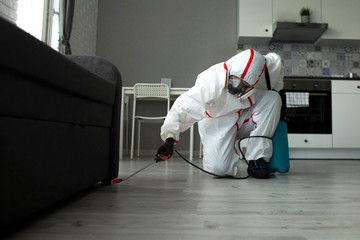
A pest problem can begin with something as small as a few insects near a window, unexplained damage to wood, or unusual sounds coming from hidden areas. Before long, what seemed like a minor nuisance can become a persistent problem that affects comfort, cleanliness, and a property’s condition. That is why understanding the pest control process matters for homeowners who want to address infestations effectively. Professional pest management involves more than simply applying a treatment.
It typically includes inspection, identification, preparation, treatment, monitoring, and prevention. Understanding each stage helps homeowners know what to expect and why a thorough approach matters. Visit https://www.benspest.biz/ for more information.
What Is the Pest Control Process?
The pest control process is a structured approach to identifying, managing, and preventing unwanted pests. It is designed to determine what type of pest is present, where it is active, how extensive the problem may be, and the most appropriate treatment approach. Different pests behave differently, so the process should be adjusted according to the infestation rather than relying on the same method for every situation.
Effective pest control also focuses on more than eliminating pests that are currently visible. Some insects and animals hide inside walls, beneath floors, in attics, around foundations, or in other difficult-to-see areas. A thorough approach considers where pests may be entering, feeding, nesting, or reproducing. Addressing these conditions can help reduce the possibility of the infestation returning after treatment.
Starting With a Detailed Pest Inspection
Inspection is one of the most important stages of pest control. Before treatment begins, the property should be examined for visible signs of pest activity and possible areas where pests may be hiding. Cracks, gaps, damaged screens, moisture-prone areas, food sources, storage spaces, and structural openings can all provide clues about the source of a problem.
The inspection should also consider signs that may not be immediately obvious. Droppings, shed insect skins, damaged materials, nests, unusual odors, and trails can provide useful information about pest activity. The location and frequency of these signs can help determine the extent of an infestation. A careful inspection allows the treatment approach to be based on actual conditions rather than assumptions.
Identifying the Type of Pest
Correct identification is essential because different pests require different management strategies. Ants, termites, cockroaches, rodents, mosquitoes, bed bugs, and other pests have different behaviors, nesting habits, food sources, and preferred environments. Treating the wrong pest or using an unsuitable method can waste time and may not address the underlying problem.
Identification can involve examining the pest itself or evaluating signs of activity. In some cases, homeowners may see only indirect evidence rather than the actual pest. Understanding the pest’s life cycle and behavior can also help determine where treatment should be focused. Accurate identification creates a stronger foundation for selecting appropriate control measures.
Determining the Source of the Infestation
Finding where pests are coming from is an important part of effective pest management. Pests may enter through small openings around doors, windows, pipes, vents, foundations, or roofing areas. Others may be attracted by accessible food, standing water, excess moisture, clutter, or suitable nesting conditions.
Simply treating areas where pests are visible may not solve the underlying issue. For example, insects appearing inside a room may be entering from a hidden opening elsewhere. Rodents may move through wall cavities or other concealed spaces before appearing indoors. Identifying the source can help make treatment more effective and reduce the likelihood of recurring activity.
Preparing the Property for Treatment
Preparation can vary depending on the pest and treatment method. Homeowners may need to clean certain areas, remove food from exposed surfaces, secure personal belongings, or provide access to spaces that require inspection or treatment. Specific preparation requirements should be understood before the treatment begins.
Good preparation helps ensure that the treatment can be applied effectively and safely. Areas that are blocked by clutter may be difficult to inspect or treat properly. Food and water sources may also need to be managed because they can continue attracting pests. Preparing the property properly can make the treatment process more efficient while reducing unnecessary complications.
Selecting the Appropriate Treatment Method
There is no single treatment that works for every pest problem. The appropriate approach depends on the type of pest, severity of the infestation, location of activity, and conditions around the property. Treatment options can include targeted applications, traps, baiting systems, physical exclusion, sanitation improvements, and other pest management techniques.
A targeted approach can be preferable to unnecessary treatment of areas where pest activity has not been identified. The goal is to address the infestation while considering the safety of people, pets, and the surrounding environment. Treatment decisions should therefore be based on the specific circumstances of the property. A carefully selected method can improve effectiveness while avoiding unnecessary applications.
Applying the Pest Treatment
Once the treatment plan has been established, the selected control measures can be implemented. Depending on the situation, this may involve treating specific surfaces, placing traps or bait, addressing entry points, or applying other appropriate control methods. The treatment should focus on areas where pest activity has been confirmed or where conditions make pest activity likely.
Following proper application procedures is important throughout this stage. Pest control products should be used according to their intended instructions, and people and pets should be kept away from treated areas when required. The treatment process may also involve several targeted applications rather than one immediate solution. This is particularly true for pests with complex life cycles or infestations that have been established for an extended period.
Allowing Time for the Treatment to Work
Pest control does not always produce immediate results. Some treatments begin working quickly, while others require additional time before a noticeable reduction in activity occurs. Certain pests may continue to appear temporarily because they were already present in hidden areas before treatment.
Understanding this part of the process can help homeowners avoid assuming that treatment has failed simply because they see occasional pest activity afterward. The effectiveness of a treatment should be evaluated over an appropriate period. Continued monitoring can help determine whether pest numbers are decreasing or whether additional action may be necessary.
Monitoring Pest Activity
Monitoring is an important part of long-term pest management. After treatment, the property can be checked for new signs of activity. Monitoring helps determine whether the initial treatment was effective and whether pests are still entering or reproducing on the property.
The information gathered during monitoring can also help identify patterns. If activity continues in one particular area, it may indicate an unresolved entry point, food source, moisture problem, or hidden nesting location. Continued observation allows the pest management approach to be adjusted when necessary. This makes pest control an ongoing process rather than a single event.
Addressing Entry Points and Environmental Conditions
Preventing pests from returning is one of the most valuable parts of pest control. Small openings around the structure can provide easy access for insects and rodents. Sealing appropriate gaps and maintaining screens, doors, windows, and other barriers can reduce opportunities for pests to enter.
Environmental conditions should also be considered. Excess moisture, standing water, exposed food, overflowing waste containers, and accumulated clutter can create attractive conditions for pests. Improving sanitation and reducing these attractants can support long-term pest prevention. Even an effective treatment may provide only temporary results if conditions continue to support pest activity.
Maintaining a Pest Prevention Routine
Regular prevention can reduce the risk of future infestations. Routine inspections can help identify early signs of activity before a problem becomes extensive. Homeowners should pay attention to changes such as new droppings, damaged materials, insect activity, or unexplained odors.
Keeping living spaces clean and reducing unnecessary moisture can also discourage many pests. Food should be stored appropriately, spills should be cleaned promptly, and areas that remain damp should be addressed. Outdoor areas should also be maintained to reduce conditions that may encourage pests to move toward the structure. Consistent preventive habits can make the property less attractive to unwanted pests.
When Follow-Up Treatment May Be Necessary
Some infestations require more than one treatment because of the pest’s behavior or life cycle. Eggs may survive an initial treatment, or pests may emerge from concealed areas afterward. Follow-up visits can help address activity that remains after the first treatment.
The need for additional treatment should be determined based on monitoring and the conditions of the infestation. Continuing to see some pest activity does not automatically mean the treatment was ineffective. However, persistent or increasing activity may indicate that additional measures are needed. Follow-up evaluation can help determine whether the infestation is declining or whether the treatment strategy needs to change.
Final Thoughts
The pest control process involves much more than eliminating visible insects or animals. Inspection, pest identification, source detection, preparation, treatment, monitoring, and prevention all contribute to effective pest management. Addressing the conditions that attract or allow pests to enter can be just as important as the initial treatment. Homeowners should also understand that some infestations require time and follow-up attention before the problem is fully resolved. By taking a comprehensive approach and maintaining good preventive practices, homeowners can create an environment that is less attractive to pests and better protected against future infestations.