Step outside and imagine a space that feels both natural and intentional, where every path, plant, and feature works together in harmony. That sense of balance does not happen by chance. It is carefully planned and thoughtfully executed by professionals who understand how to transform ordinary outdoor areas into meaningful environments.
Landscape Designers Honolulu HI bring vision and structure to outdoor spaces, blending creativity with functionality. Their work goes beyond aesthetics and creates areas that are enjoyable, practical, and sustainable.
Understanding the Role of Landscape Designers
Landscape designers are professionals who plan and design outdoor spaces to achieve a specific look and purpose. Their work often begins with understanding the needs and preferences of the property owner. They consider how the space will be used, whether for relaxation, entertainment, or practical purposes such as gardening.
The process involves analyzing the existing conditions of the site. This includes evaluating soil quality, sunlight exposure, drainage, and the natural layout of the land. These factors influence the design and determine what elements can be successfully incorporated.
A landscape designer combines artistic vision with technical knowledge. They create plans that outline the placement of plants, hardscape features, and other elements. These plans serve as a guide for transforming the outdoor area into a cohesive and functional space.
The Design Process from Concept to Completion
The journey of a landscape design project typically begins with an idea or inspiration. This could be influenced by personal preferences, architectural style, or environmental considerations. The designer works to translate these ideas into a practical plan.
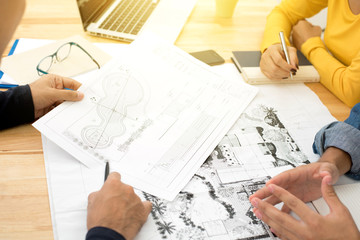
Concept development is an important stage. During this phase, the designer creates sketches or digital representations of the proposed layout. These visuals help communicate the overall vision and allow for adjustments before any physical work begins.
Once the concept is finalized, detailed plans are created. These include specifications for materials, plant selection, and construction methods. The design must balance creativity with feasibility to ensure that it can be successfully implemented.
The final stage involves bringing the design to life. This may include coordinating with contractors and overseeing the installation process. Attention to detail is essential to ensure that the finished space reflects the original vision.
Key Elements in Landscape Design
A successful landscape design incorporates a variety of elements that work together to create a unified space. Plants are often the most visible component, providing color, texture, and seasonal interest. The selection of plants must consider climate, soil conditions, and maintenance requirements.
Hardscape features such as pathways, patios, and retaining walls add structure and functionality. These elements define the layout and create areas for specific activities. The choice of materials plays a significant role in the overall appearance and durability of the design.
Water features can add a sense of tranquility and movement. Whether it is a small fountain or a larger installation, water elements can enhance the atmosphere of the space. Lighting is another important aspect, as it extends the usability of the area and highlights key features.
Each of these elements must be carefully planned to ensure balance and harmony. A well designed landscape integrates these components seamlessly, creating a space that feels both natural and intentional.
The Importance of Functionality and Usability
While aesthetics are important, functionality is a key consideration in landscape design. A beautiful space must also be practical and easy to use. Designers consider how people will move through the area and how different sections will be utilized.
Paths and walkways are designed to provide clear and convenient access. Seating areas are positioned to take advantage of views and comfort. Outdoor spaces may also include areas for dining, recreation, or gardening.
Maintenance is another factor that influences design decisions. A well planned landscape should be manageable and sustainable over time. This includes selecting plants that are suited to the environment and designing features that require minimal upkeep.
By focusing on functionality, landscape designers create spaces that are not only visually appealing but also enjoyable to use on a daily basis.
Environmental Considerations in Modern Landscape Design
Sustainability has become an important aspect of landscape design. Designers are increasingly focused on creating spaces that work in harmony with the natural environment. This involves using resources efficiently and minimizing environmental impact.
Water conservation is a key consideration. Designing efficient irrigation systems and selecting drought tolerant plants can reduce water usage. Soil health is also important, as it supports plant growth and helps maintain the overall ecosystem.
Native plants are often incorporated into designs because they are well adapted to the local environment. They require less maintenance and provide habitat for wildlife. This approach supports biodiversity and creates a more balanced ecosystem.
Sustainable design also includes managing runoff and preventing erosion. Proper grading and the use of permeable materials can help control water flow and protect the landscape.
By integrating these practices, landscape designers contribute to a healthier and more sustainable environment.
Benefits of Hiring a Landscape Designer
Working with a landscape designer offers several advantages. One of the most significant benefits is access to professional expertise. Designers have the knowledge and experience needed to create effective and visually appealing plans.
They can also help avoid common mistakes. Without proper planning, it is easy to choose plants that are not suited to the environment or to design layouts that are impractical. A designer ensures that every element is carefully considered.
Another benefit is the ability to maximize the potential of the space. Designers can identify opportunities that may not be immediately obvious, transforming even small or challenging areas into functional and attractive environments.
A well designed landscape can also increase property value. Outdoor spaces that are thoughtfully planned and well maintained are often more appealing and can enhance the overall impression of a property.
The Future of Landscape Design
The field of landscape design continues to evolve as new ideas and technologies emerge. Digital tools are making it easier to create detailed and accurate designs. These tools allow for greater precision and flexibility in the planning process.
There is also a growing emphasis on creating multifunctional spaces. Outdoor areas are increasingly being designed to serve multiple purposes, from relaxation to work and social gatherings. This trend reflects changing lifestyles and the desire to make the most of available space.
Sustainability will continue to play a central role in the future of landscape design. As environmental concerns grow, designers will focus on creating solutions that balance beauty with responsibility.
Innovation and creativity will drive the development of new techniques and approaches. Landscape designers will continue to shape outdoor spaces in ways that enhance both their functionality and their connection to nature.
Conclusion
Landscape designers play a vital role in transforming outdoor spaces into environments that are both beautiful and functional. Through careful planning and creative vision, they bring together elements such as plants, structures, and natural features to create cohesive designs. Their work goes beyond appearance, focusing on usability, sustainability, and long term value. By understanding the role and impact of landscape designers, it becomes clear how important they are in shaping spaces that enrich everyday life and connect people with the outdoors.