Gutters are a critical part of your home’s structure, ensuring effective water management. They divert rainwater away from your roof, walls, windows, and foundation to prevent damage caused by moisture build-up.
Regular gutter maintenance and repairs are essential to a well-functioning home. Understanding common gutter issues can help you identify problems before they become severe and costly.
Professional Services
Clogged gutters can cause water to overflow and seep into a building’s walls, siding, and roof. This moisture exposure can cause peeling paint, wood rot, and structural damage. Professional gutter repair services help prevent such damage by ensuring that the gutter system is functioning properly and free of debris.
Gutter repair professionals often employ a thorough assessment process that includes examining the gutter system, downspouts, fascia, and surrounding areas. They’ll look for signs of rust, corrosion, sagging, and other factors that could affect the gutter’s condition. This detailed evaluation allows them to provide an accurate and cost-effective estimate for the repair job.
Professionals can also offer advice on the best gutter materials, parts, and protection systems for a specific home or business. They’ll consider factors like the type of gutter, whether it’s seamed or seamless, the height of the structure, and other considerations. They’ll also recommend the best cleaning methods and tools for the gutters.
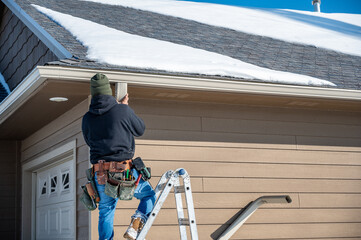
Hiring professionals to clean and repair gutters is a wise move for many homeowners. These specialists are familiar with the safety requirements for working at heights and use proper equipment to ensure their own as well as their customers’ safety. This is especially important during winter, when snow and ice can make it dangerous to try and tackle gutter maintenance on your own.
Clean Gutters
Your gutter system keeps rainwater moving away from your home to prevent wood rot, foundation damage, and more. It also helps prevent moisture from building up in the attic and walls, which can cause mold and mildew. Gutters route water from the roof to downspouts, where it can drain away from your house or be directed into a garden.
Over time, leaves, twigs, and other debris can build up inside your gutters, creating clogs and hindering the flow of rainwater. Clogged gutters can cause water to leak onto the roof and damage shingles, fascia, and decking. Water that pools under the roofing can also seep into your home, damaging ceilings, walls, and floors, and allowing for the growth of mold and mildew.
To clean your gutters, start on a clear, dry day and place your ladder in a safe position. Protect yourself by wearing work gloves and a pair of safety goggles. Begin by working from one corner of the gutter section toward the middle, removing debris with a scoop or your hands. If you’re having trouble removing stuck-on gunk, try pouring boiling water over the area to loosen the material. Once the clogs are removed, flush your gutters with a hose to ensure proper drainage. Then, inspect the gutters for dents or cracks and make any needed repairs.
Repair Gutters
Gutters help protect your home by catching rainwater from the roof and channeling it away from the foundation. This reduces soil erosion and water intrusion into crawl spaces, basements, and siding, and prevents the deterioration of your home’s fascia, soffits, and roof.
Whether your gutter system is leaking, dented, or missing parts, it’s essential to repair these problems to avoid more costly home repairs. Gutters can be repaired by replacing sleeve-and-spike supports, fascia brackets nailed to the face of the wall, or strap hangers nailed to the fascia. If the gutter is sagging, you can add downspout extensions to keep water flowing away from the house and prevent overflow and water damage.
If a gutter is rusting or corroded, you can remove the rusted section by cutting it out with a hacksaw, wire brushing the area to remove dirt and loose rust, and coating it with roof cement. You can also replace a damaged section with a sheet of metal screening.
Leaks can occur due to a hole in the gutter, corrosion of the gutter fasteners, or improper installation. If your gutters are leaking, you may need to remove the leaky section of the gutter and re-secure the hangers, or replace the entire gutter. Gutters can be replaced with new gutters or downspouts, depending on the extent of damage and your budget.
Replace Gutters
Gutters help protect homes from visual and structural damage by collecting, directing, and draining rainwater. Without gutters, water draining straight off the roof can erode the soil around the foundation, causing cracks in the basement and other problems. Gutters redirect water to specific drainage areas, preserving the soil and the landscaping.
When gutters get sagging or pull away from the house, it’s usually a sign that they’re getting old and can’t do their job. They can be re-fastened to the fascia board so that they don’t fall off, but eventually they’ll need to be replaced.
A new gutter system can be installed in a way that will minimize future maintenance issues and prevent the need for expensive repairs. A professional company will ensure that all of the gutters are the same size, material, and quality to create a uniform appearance and provide consistent water flow. They’ll also install downspout extensions and splash blocks to reduce water damage and rusting.
Gutter systems that are properly sized, installed, and maintained can last for decades. A new gutter system will help you avoid costly repair bills by preventing moisture-related home problems like mold and mildew growth, rotting, and other structural damage. It will also allow you to repurpose excess rainwater by installing a gutter downspout connection for a rain barrel or other irrigation system.