What Are the Best Drain Cleaning Methods for Your Home?

Drain Cleaning

Few household problems are as frustrating as a clogged drain. One moment everything seems normal, and the next water begins pooling in the sink, draining slowly in the shower, or backing up unexpectedly in the kitchen. Many homeowners do not think much about their plumbing system until a blockage interrupts daily routines. A single clogged drain can create unpleasant odors, water damage risks, and unnecessary stress if ignored for too long.

Drain cleaning at Drain Solutions Plumbing Co plays a major role in maintaining a healthy plumbing system and preventing larger plumbing problems from developing over time. Hair, grease, soap residue, food particles, mineral buildup, and debris gradually collect inside pipes until water flow becomes restricted. Without regular maintenance, even small clogs can eventually grow into serious blockages that affect the entire drainage system.

Understanding how drain cleaning works, what causes clogs, and which cleaning methods are most effective can help homeowners protect their plumbing system while avoiding expensive repairs in the future.

Why Drain Cleaning Is Important

Drains handle wastewater constantly throughout the day, carrying away everything from soap and food particles to grease and hair. Over time, residue slowly sticks to the inner walls of pipes and begins narrowing the passage for water flow.

As buildup increases, water drains more slowly and pressure inside the pipes may rise. If the blockage becomes severe enough, wastewater can back up into sinks, tubs, or floor drains. These backups not only create inconvenience but may also lead to water damage and sanitation concerns.

Regular drain cleaning helps remove buildup before major blockages form. Maintaining clear drains also reduces unpleasant odors caused by trapped organic material decomposing inside pipes.

Another important benefit of drain cleaning is protecting the lifespan of the plumbing system itself. Persistent clogs and pressure buildup may increase stress on pipes, joints, and fixtures over time.

Routine maintenance often prevents emergency plumbing situations while improving overall drainage performance throughout the home.

Common Causes of Drain Clogs

Understanding what causes drain clogs helps homeowners reduce the risk of recurring problems. Different drains throughout the home collect different types of debris depending on their use.

Kitchen drains commonly become clogged because of grease, cooking oil, food scraps, and soap residue. Even small amounts of grease may stick to pipe walls and gradually trap additional debris as water flows through.

Bathroom drains frequently collect hair, toothpaste residue, soap scum, and personal care products. Hair especially creates stubborn clogs because it tangles together and traps other materials inside the drain.

Toilet clogs often occur when excessive toilet paper or non flushable items enter the plumbing system. Wipes, paper towels, hygiene products, and other materials may not break down properly inside pipes.

Outdoor drains may become blocked by leaves, dirt, roots, and debris carried by rainwater. Tree roots are particularly problematic because they can grow into underground pipes searching for moisture.

Mineral buildup is another common issue in areas with hard water. Over time, minerals accumulate inside pipes and reduce water flow capacity gradually.

Warning Signs That Drains Need Cleaning

Drain problems usually develop slowly, which means homeowners often receive early warning signs before severe blockages occur. Recognizing these signs early can help prevent larger plumbing issues later.

Slow draining water is one of the most common indicators of developing clogs. If sinks, tubs, or showers take longer than usual to empty, buildup may already be restricting the pipes.

Gurgling sounds coming from drains or toilets may suggest trapped air caused by partial blockages within the plumbing system. These noises often occur when water struggles to pass through narrowed sections of pipe.

Unpleasant odors are another warning sign. Organic material trapped inside drains may begin decomposing and create foul smells throughout the home.

Recurring clogs also indicate deeper drainage issues. If the same drain repeatedly backs up even after clearing, buildup may exist farther inside the plumbing system.

Water backups are among the most serious warning signs because they suggest significant blockage or sewer line problems requiring immediate attention.

Addressing these symptoms early often helps homeowners avoid larger and more expensive plumbing repairs later.

Basic Drain Cleaning Methods for Minor Clogs

Many minor drain clogs can be addressed using simple cleaning methods before professional assistance becomes necessary. Acting quickly when slow drainage first appears often prevents buildup from becoming severe.

Hot water flushing is one of the simplest drain cleaning techniques. Pouring hot water through drains may help dissolve soap residue and loosen light grease buildup inside pipes.

Plungers are commonly used to create suction pressure that dislodges clogs near the drain opening. Proper plunging techniques are especially effective for sinks, tubs, and toilets experiencing partial blockages.

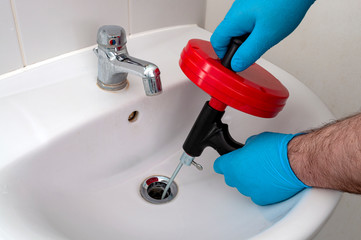
Drain snakes or augers are flexible tools designed to reach deeper into pipes and break apart clogs manually. Hair clogs in bathroom drains are often removed successfully using these tools.

Baking soda and vinegar mixtures are sometimes used as natural cleaning alternatives. The reaction helps loosen minor buildup and deodorize drains without harsh chemicals.

While these methods may work for small clogs, recurring or severe blockages often require more advanced cleaning solutions.

Professional Drain Cleaning Techniques

Professional drain cleaning services use specialized equipment designed to remove stubborn buildup and restore proper water flow more effectively than basic household tools.

Mechanical drain augers are powerful versions of standard drain snakes that can reach deeper into plumbing systems. These tools break apart compacted clogs and remove debris lodged inside pipes.

Hydro jetting is another advanced drain cleaning method that uses high pressure water streams to clear grease, sludge, roots, and buildup from pipe walls. This technique not only removes blockages but also cleans the inside of pipes thoroughly.

Video pipe inspections are commonly used to identify hidden problems such as cracked pipes, root intrusion, or severe buildup. Small waterproof cameras allow plumbers to inspect the condition of underground or hard to reach pipes accurately.

Professional drain cleaning often provides more complete and longer lasting results compared to temporary household solutions.

Kitchen Drain Cleaning Challenges

Kitchen drains are among the most frequently clogged plumbing fixtures because they handle grease, food waste, and cooking residue daily. Even homes with garbage disposals may still experience drain buildup over time.

Grease is one of the biggest causes of kitchen drain clogs. Although grease may appear liquid when hot, it solidifies as it cools inside the pipes. This sticky residue traps food particles and gradually restricts water flow.

Coffee grounds, pasta, rice, eggshells, and fibrous foods also contribute to kitchen drain problems because they may not break down properly inside plumbing systems.

Regular cleaning helps reduce grease accumulation and improve kitchen drain performance. Running hot water after washing dishes may help move oils and residue through the pipes more effectively.

Avoiding disposal of large food particles and cooking grease significantly reduces the likelihood of serious kitchen drain clogs forming.

Bathroom Drain Cleaning and Maintenance

Bathroom drains face different challenges because they primarily collect hair, soap residue, toothpaste, and personal hygiene products. Shower and sink drains are especially vulnerable to hair related clogs.

Hair combines with soap scum and forms dense blockages that trap additional debris inside the drain. Over time, these clogs restrict water flow and create slow drainage problems.

Soap residue itself also contributes to buildup because many soap products contain fats and minerals that stick to pipe walls gradually.

Routine bathroom drain cleaning helps remove buildup before severe clogs develop. Drain covers can also reduce the amount of hair and debris entering the pipes.

Regular flushing with hot water and periodic cleaning of visible drain openings help maintain smoother drainage and reduce unpleasant odors.

Preventing Future Drain Problems

Preventive maintenance is one of the best ways to reduce plumbing issues and avoid emergency drain cleaning situations. Small habits often make a major difference in protecting the drainage system.

Avoiding grease disposal down kitchen sinks is one of the most effective prevention strategies. Grease should cool and be discarded separately rather than washed into the plumbing system.

Using drain strainers in sinks, tubs, and showers helps catch hair and food debris before they enter the pipes.

Regular cleaning with mild drain maintenance solutions may help reduce buildup before serious clogs form. However, harsh chemical drain cleaners should be used cautiously because repeated exposure may damage certain pipe materials.

Scheduling occasional professional drain inspections can also identify developing problems early before they become severe blockages.

Consistent preventive care helps extend the lifespan of plumbing systems while improving drainage performance throughout the home.

When Drain Problems Become Serious

Some drain problems go beyond ordinary clogs and may indicate larger plumbing system issues. Understanding when professional assistance becomes necessary helps prevent further damage.

Multiple drains backing up simultaneously often suggest problems within the main sewer line rather than isolated fixture clogs. Sewer line issues may affect sinks, toilets, showers, and floor drains throughout the property.

Persistent foul odors near drains or outside the home may indicate sewer line damage or trapped waste buildup underground.

Water pooling around floor drains or in the yard can also signal underground drainage problems requiring immediate inspection.

Tree root intrusion is another serious issue affecting underground pipes. Roots searching for moisture may crack pipes and create severe blockages over time.

Ignoring major drainage problems may lead to water damage, pipe failure, and expensive repairs later.

The Long Term Benefits of Regular Drain Cleaning

Routine drain cleaning offers more than just temporary convenience. Maintaining clear plumbing lines helps improve the overall health and efficiency of the plumbing system.

Clean drains reduce the risk of backups, unpleasant odors, and water damage inside the home. They also improve water flow and help plumbing fixtures function more effectively.

Preventive maintenance often reduces repair costs by addressing small buildup issues before major clogs or pipe damage develop.

Regular drain cleaning also supports better sanitation by reducing bacteria growth and trapped organic waste inside pipes.

Homeowners who prioritize routine drain maintenance often experience fewer plumbing emergencies and longer lasting plumbing systems overall.

Final Thoughts

Drain cleaning is an essential part of maintaining a healthy and efficient plumbing system. Over time, grease, hair, soap residue, food particles, and debris naturally build up inside pipes, leading to slow drainage, unpleasant odors, and potential backups.

Understanding common causes of clogs and recognizing early warning signs allows homeowners to address problems before they become severe. From simple hot water flushing and plunging to advanced hydro jetting and professional inspections, various drain cleaning methods help restore proper water flow and protect plumbing systems.

Consistent maintenance and preventive care play a major role in reducing costly repairs and extending the lifespan of household plumbing. By keeping drains clean and functioning properly, homeowners can protect their property while maintaining a cleaner, safer, and more comfortable living environment.

What Is Metal Fabrication and How Does the Process Work?

The transformation of raw metal into something functional and precise often feels almost magical to those unfamiliar with the craft. A solid sheet or bar of metal can become a structural frame, a detailed component, or even an artistic piece through a series of deliberate steps. Behind this transformation is a process that blends engineering, creativity, and technical skill. Boise Metal Fabrication is at the heart of countless industries, shaping the materials that support modern life in ways both visible and unseen.

Understanding the Basics of Metal Fabrication

Metal Fabrication

Metal fabrication is the process of cutting, shaping, and assembling metal materials into finished products or structures. It involves a combination of techniques that turn raw metal into components used in construction, manufacturing, transportation, and many other fields. The process is not limited to one type of metal, as it can include steel, aluminum, copper, and other alloys.

At its core, metal fabrication is about precision and adaptability. Each project has unique requirements, and the fabrication process must be tailored to meet those needs. Whether creating a simple bracket or a complex framework, the goal is to produce a final product that meets specific design and performance standards.

The versatility of metal fabrication makes it an essential part of modern industry. It provides the foundation for everything from infrastructure to machinery, highlighting its importance in everyday life.

The Role of Design and Planning

Before any physical work begins, design and planning play a crucial role in metal fabrication. This stage involves creating detailed drawings and specifications that guide the entire process. Accurate measurements and clear plans ensure that the final product meets the intended purpose and fits within its designated environment.

Design often includes considerations such as material selection, structural integrity, and functionality. The type of metal chosen can affect strength, weight, and resistance to environmental factors. Planning also involves determining the most efficient methods for cutting, shaping, and assembling the material.

Careful planning reduces the risk of errors and ensures that the fabrication process runs smoothly. It provides a roadmap that guides each step, from the initial cut to the final assembly.

Cutting and Shaping the Metal

Cutting is one of the first physical steps in metal fabrication. This stage involves dividing raw material into the desired shapes and sizes. Various techniques can be used, depending on the type of metal and the level of precision required. The goal is to create clean and accurate cuts that serve as the foundation for further work.

Shaping follows the cutting process and involves forming the metal into specific configurations. This can include bending, rolling, or pressing the material to achieve the desired form. Shaping requires both skill and the right tools, as different metals respond differently to force and pressure.

These steps are critical in defining the structure of the final product. Precision during cutting and shaping ensures that all components fit together correctly during assembly.

Joining and Assembly Techniques

Once the individual components are prepared, the next step is joining them together. Assembly transforms separate pieces into a cohesive structure. Various methods can be used to join metal, each chosen based on the requirements of the project.

Welding is one of the most common techniques, involving the use of heat to fuse metal pieces together. Other methods may include fastening or bonding, depending on the design and intended use. The choice of joining technique affects the strength and durability of the final product.

Assembly requires attention to detail and alignment. Even small inaccuracies can affect the performance and appearance of the finished piece. Ensuring that all components are properly connected is essential for achieving a reliable and functional result.

Surface Finishing and Treatment

After assembly, surface finishing is often necessary to enhance the appearance and performance of the metal product. This stage can involve smoothing rough edges, polishing surfaces, and applying protective coatings. Finishing not only improves aesthetics but also helps protect the metal from corrosion and wear.

Different finishing methods are used depending on the desired outcome. Some projects may require a smooth and polished surface, while others may benefit from a textured or coated finish. Treatments can also improve resistance to environmental factors such as moisture and temperature changes.

This stage adds the final touches that complete the fabrication process. It ensures that the product is both visually appealing and capable of withstanding its intended conditions.

Applications of Metal Fabrication

Metal fabrication plays a vital role in a wide range of industries. In construction, it is used to create structural components such as beams, frames, and supports. In manufacturing, it produces parts for machinery and equipment. Transportation relies on fabricated metal for vehicles, infrastructure, and systems that keep everything moving.

Beyond industrial applications, metal fabrication also has a place in design and art. Decorative elements, custom furniture, and architectural features often rely on fabricated metal to achieve unique and functional designs. The ability to shape metal into almost any form allows for a high level of creativity and innovation.

The widespread use of metal fabrication highlights its importance in both practical and creative contexts. It is a process that supports essential functions while also enabling artistic expression.

The Importance of Precision and Quality

Precision is a defining characteristic of successful metal fabrication. Each step in the process must be carried out with accuracy to ensure that the final product meets its specifications. Even minor deviations can lead to issues with fit, performance, or safety.

Quality control is an integral part of the fabrication process. This involves inspecting materials, verifying measurements, and testing completed components. Maintaining high standards ensures that the final product is reliable and durable.

Attention to detail and commitment to quality are what set effective fabrication apart. These elements ensure that the end result not only meets expectations but also performs well over time.

Advancements in Metal Fabrication Technology

Technology has significantly influenced the evolution of metal fabrication. Modern tools and equipment have improved precision, efficiency, and consistency. Advanced machinery allows for more complex designs and faster production times.

Automation and digital design tools have also transformed the process. Computer aided design systems enable detailed planning and accurate execution. These advancements reduce the likelihood of errors and make it possible to achieve results that were once difficult or impossible.

The integration of technology continues to shape the future of metal fabrication. It opens new possibilities for innovation while maintaining the core principles of craftsmanship and precision.

Challenges in Metal Fabrication

Despite its many advantages, metal fabrication also presents challenges. Working with metal requires careful handling and an understanding of material properties. Different metals react differently to heat, pressure, and environmental conditions, which can affect the fabrication process.

Managing these challenges requires experience and adaptability. Fabricators must be able to adjust techniques and approaches based on the specific requirements of each project. Problem solving is a key aspect of the process, as unexpected issues can arise at any stage.

Overcoming these challenges is part of what makes metal fabrication a skilled and respected field. It requires a balance of technical knowledge and practical expertise.

Final Thoughts

Metal fabrication is a dynamic and essential process that transforms raw materials into functional and meaningful products. From initial design to final finishing, each stage contributes to creating structures and components that support a wide range of applications. The combination of precision, creativity, and technology makes metal fabrication a cornerstone of modern industry.

Understanding how the process works provides a deeper appreciation for the role it plays in everyday life. Whether it is part of a building, a machine, or a decorative piece, fabricated metal is a testament to the power of skilled craftsmanship and thoughtful design. As technology continues to advance, metal fabrication will remain a vital and evolving field that shapes the world around us.

What Does Water Damage Restoration Include and Why Is It Important?

Water Damage Restoration

A small drip can turn into a major problem faster than most people expect. What begins as a minor inconvenience can quietly evolve into a situation that affects walls, flooring, and even the air inside a property. Water has a way of moving where it should not, settling into hidden spaces and causing damage that often goes unnoticed until it becomes severe.

Salt Lake City Water Damage Restoration is the process that brings order back to this kind of disruption, guiding a property from chaos to recovery through a structured and careful approach.

Understanding Water Damage Restoration

Water damage restoration is more than simply drying out a wet area. It is a comprehensive process designed to return a property to its pre damage condition. This involves addressing both visible and hidden issues caused by water intrusion. Restoration includes removing water, drying affected materials, cleaning contaminated areas, and repairing or replacing damaged components.

The goal is not just to make the space look normal again but to ensure that it is safe and stable. Water can compromise structural integrity and create an environment where mold and bacteria thrive. Restoration focuses on eliminating these risks while restoring the functionality and appearance of the property.

Common Causes of Water Damage

Water damage can result from a variety of sources, many of which are part of everyday life. Plumbing leaks are one of the most common causes, often occurring behind walls or under floors where they can go undetected. Appliances that use water can also malfunction and release significant amounts of moisture into surrounding areas.

Natural factors such as heavy rain or rising groundwater can introduce water into a structure, especially if drainage systems are not functioning properly. Even something as simple as poor ventilation can lead to excess moisture buildup over time. Understanding these causes helps highlight the importance of regular maintenance and early detection.

Each source of water damage presents unique challenges, which is why restoration must be tailored to the specific situation. Identifying the origin of the problem is a key part of ensuring that it does not happen again.

The Initial Inspection and Damage Assessment

The restoration process begins with a detailed inspection and assessment. This stage involves evaluating the extent of the damage and identifying areas that require immediate attention. Moisture detection tools are often used to locate hidden water that may not be visible on the surface.

Assessing the type of water involved is also important. Clean water from a supply line is less hazardous than water that has been contaminated. This distinction affects how the restoration process is carried out, particularly when it comes to cleaning and sanitizing.

A thorough assessment provides a clear understanding of what needs to be done. It serves as the foundation for the entire restoration process, ensuring that no affected area is overlooked.

Water Removal and Moisture Extraction

Once the assessment is complete, the next step is removing standing water and extracting moisture from affected materials. This stage is critical because it stops further damage from occurring. The longer water remains in place, the more it can spread and weaken structures.

Water extraction involves removing moisture from surfaces such as floors, carpets, and furniture. Even after visible water is gone, materials can still retain moisture that must be addressed. Effective extraction reduces drying time and helps prevent additional issues from developing.

This phase requires efficiency and precision. Removing as much water as possible at this stage makes the rest of the restoration process more effective and manageable.

Drying and Dehumidification Process

After water removal, the focus shifts to drying and dehumidification. This step ensures that all remaining moisture is eliminated from the environment. Air circulation and humidity control play a major role in this phase, as they help draw moisture out of materials and into the air where it can be removed.

Drying is not always a quick process, especially when water has penetrated deeply into structural components. Walls, flooring, and insulation may require extended drying time to reach safe moisture levels. Monitoring is essential to ensure that the process is progressing as expected.

Proper drying prevents long term damage and reduces the risk of mold growth. It creates a stable environment that allows the restoration process to move forward with confidence.

Cleaning, Sanitizing, and Odor Removal

Water damage often brings contaminants and unpleasant odors into a space. Cleaning and sanitizing are essential steps in restoring a healthy environment. This stage involves removing debris, disinfecting surfaces, and addressing any microbial growth that may have developed.

Odor removal is also an important part of this phase. Lingering smells can indicate hidden moisture or contamination that needs to be addressed. Specialized techniques are often used to eliminate odors and improve indoor air quality.

This step goes beyond aesthetics. It ensures that the property is safe for occupancy and free from harmful substances that could affect health and well being.

Repair and Reconstruction

The final stage of water damage restoration focuses on repairing and rebuilding affected areas. This can involve replacing damaged materials such as drywall, flooring, and insulation. In some cases, structural components may also need attention.

Reconstruction is an opportunity to restore the property to its original condition or even improve it. Careful attention is given to matching existing materials and ensuring that repairs are seamless. The goal is to create a finished result that looks natural and functions properly.

This stage represents the completion of the restoration process. It transforms a damaged space into one that feels complete and livable once again.

The Importance of Professional Restoration

Water damage restoration requires a combination of knowledge, tools, and experience. While minor issues can sometimes be addressed with basic methods, more extensive damage often requires a comprehensive approach. Proper restoration ensures that all aspects of the damage are addressed, including those that are not immediately visible.

A thorough restoration process reduces the risk of future problems and helps maintain the value of the property. It also provides peace of mind, knowing that the space has been restored safely and effectively.

Understanding the importance of proper restoration highlights why it is essential to approach water damage with care and attention to detail.

Preventing Future Water Damage

Prevention is a key part of maintaining a property after restoration is complete. Regular inspections of plumbing systems and appliances can help identify potential issues before they become serious problems. Ensuring proper drainage and maintaining seals around windows and doors can also reduce the risk of water intrusion.

Managing indoor humidity levels and providing adequate ventilation are additional steps that can help prevent moisture related issues. Small actions taken consistently can make a significant difference in protecting a property from future damage.

Taking a proactive approach helps extend the benefits of restoration and supports long term stability.

Final Thoughts

Water damage restoration is a detailed and essential process that addresses the effects of water intrusion from start to finish. From the initial assessment to the final repairs, each step plays a crucial role in returning a property to a safe and functional state. While water damage can be disruptive, the restoration process provides a clear path toward recovery.

By understanding how restoration works and why each stage is important, property owners can approach water damage with greater confidence. Acting quickly, addressing issues thoroughly, and taking preventive measures all contribute to a successful outcome. In the end, restoration is not just about repairing damage but about creating a secure and comfortable environment once again.

How to Keep Your Lawn Green, Healthy, and Weed Free Year Round

lawn care

A lush green lawn has a way of transforming any outdoor space into something inviting and refreshing. It creates a place where families gather, where mornings feel calmer, and where a home instantly looks more cared for. Yet maintaining that kind of lawn is not always as simple as watering and mowing. Grass health depends on a balance of proper care, timing, and attention to detail. Understanding the fundamentals of lawn care can make the difference between a patchy yard and a thriving landscape. To learn more, contact LawnLogic expert.

Understanding the Basics of Lawn Care

Lawn care begins with understanding what grass needs to grow well. Like any living plant, grass depends on sunlight, water, nutrients, and healthy soil. When one of these elements is lacking, the lawn begins to show signs of stress such as discoloration, thinning, or slow growth.

Soil quality is often overlooked, but it plays a major role in lawn health. Soil that is too compacted can restrict root growth and limit water absorption. Nutrient deficiencies can prevent grass from developing strong blades and deep roots. By focusing on the condition of the soil, homeowners can create a strong foundation that supports long term lawn growth.

Climate and seasonal changes also influence how a lawn should be maintained. Different grass types thrive under different conditions, so adjusting care routines based on the environment helps ensure consistent results throughout the year.

Proper Mowing Techniques for Healthier Grass

Mowing is one of the most frequent lawn care tasks, yet it is often done incorrectly. Cutting grass too short can weaken it and make it more vulnerable to weeds and drought. Leaving grass slightly taller helps shade the soil, retain moisture, and promote deeper root growth.

Consistency is important when it comes to mowing. Regular cutting prevents the lawn from becoming overgrown and reduces stress on the grass. It is also beneficial to keep mower blades sharp, as dull blades can tear the grass rather than cut it cleanly, leading to a rough and unhealthy appearance.

Changing mowing patterns occasionally can also improve lawn health. Repeating the same direction every time may cause soil compaction and uneven growth. Varying the pattern helps maintain an even surface and encourages upright growth.

Watering Strategies That Promote Strong Roots

Watering is essential, but too much or too little can harm the lawn. Deep and infrequent watering is generally more effective than frequent shallow watering. This approach encourages roots to grow deeper into the soil, making the grass more resilient during dry periods.

The best time to water is early in the morning when temperatures are cooler and evaporation is minimal. Watering during the heat of the day can lead to significant water loss, while watering at night may increase the risk of fungal growth due to prolonged moisture.

It is important to monitor the lawn for signs of overwatering or underwatering. Yellowing grass, soggy soil, or the presence of fungus may indicate excessive moisture, while dry, brittle blades suggest that the lawn needs more water.

Fertilization and Nutrient Management

Fertilization provides the nutrients that grass needs to grow strong and maintain its color. Nitrogen, phosphorus, and potassium are the primary nutrients required for healthy lawns. Each plays a different role, from promoting leaf growth to strengthening roots and improving overall resilience.

Applying fertilizer at the right time is crucial. Seasonal applications help support growth during active periods and prepare the lawn for changes in weather. Overfertilizing can be harmful, leading to rapid growth that weakens the grass and increases maintenance needs.

Organic options can also be beneficial, as they improve soil structure while providing nutrients. Compost and natural fertilizers help create a balanced environment that supports both grass and beneficial microorganisms in the soil.

Managing Weeds and Lawn Pests

Weeds and pests are common challenges in lawn care. Weeds compete with grass for nutrients, water, and sunlight, often spreading quickly if not controlled. Maintaining a thick and healthy lawn is one of the best ways to prevent weed growth, as dense grass leaves little room for weeds to establish.

When weeds do appear, early intervention is key. Removing them before they spread helps protect the lawn from further invasion. Similarly, pests such as grubs can damage grass by feeding on roots, leading to brown patches and weakened areas.

Monitoring the lawn regularly allows homeowners to identify issues before they become severe. Natural and preventive methods can often be effective in managing pests and weeds without causing harm to the surrounding environment.

Aeration and Soil Improvement

Aeration is an important step in maintaining a healthy lawn, especially in areas with compacted soil. This process involves creating small holes in the ground to allow air, water, and nutrients to reach the roots more easily. Improved circulation helps strengthen the root system and promotes healthier growth.

Compacted soil can limit the effectiveness of watering and fertilization, making it harder for grass to thrive. Aeration breaks up dense soil, allowing roots to expand and access essential resources. This process is particularly beneficial during the growing season when grass can recover quickly.

Adding organic matter after aeration can further enhance soil quality. Materials such as compost help improve structure, retain moisture, and provide additional nutrients that support long term lawn health.

Seasonal Lawn Care Considerations

Lawn care needs change throughout the year, making it important to adjust maintenance routines based on the season. During warmer months, grass typically grows more actively and requires more frequent mowing and watering. Proper care during this time supports strong growth and helps the lawn withstand heat.

In cooler months, growth slows down, and the focus shifts to preparing the lawn for the next season. This may include fertilizing, clearing debris, and protecting the grass from extreme conditions. Seasonal adjustments ensure that the lawn remains healthy and resilient regardless of weather changes.

Understanding how different seasons affect grass growth allows homeowners to provide the right care at the right time. This approach helps maintain a consistent and attractive lawn throughout the year.

Conclusion

Lawn care is a continuous process that involves attention, consistency, and an understanding of what grass needs to thrive. From proper mowing and watering to fertilization and soil improvement, each step plays a role in creating a healthy and vibrant lawn.

By taking a proactive approach and adapting to seasonal changes, homeowners can maintain a lawn that enhances the beauty and functionality of their outdoor space. With the right practices in place, a well maintained lawn becomes more than just grass. It becomes a valuable part of the home environment that provides comfort, enjoyment, and lasting appeal.

The Complete Guide to Gutter Repair: Protecting Your Home from Costly Water Damage

gutter

It usually starts with something minor. A faint drip during a storm. A dark streak on the siding. A small puddle forming where it never used to. Most homeowners ignore it at first because it does not seem urgent. The roof looks fine. The walls look solid. Everything appears intact.

But Oregon Gutters quietly handle thousands of gallons of water every year. When they stop working properly, the damage builds slowly and often out of sight. By the time cracks show in the foundation or paint begins to peel, the repair bill can be far higher than expected.

Gutter repair is not just about fixing a loose piece of metal. It is about protecting the structure of your home. Understanding how gutters work, how they fail, and how to repair them can save you from major structural issues and unnecessary expenses.

Why Gutters Matter More Than Most People Think

Gutters are designed to direct rainwater away from your roof, walls, and foundation. Without them, water runs straight off the roof and collects near the base of the home. Over time, that repeated saturation weakens soil, seeps into basements, and causes foundation movement.

When gutters function properly, water flows through the troughs, into downspouts, and safely away from the structure. This controlled drainage protects siding, prevents erosion, and reduces the risk of mold growth.

A single storm can dump hundreds of gallons of water onto a roof. Multiply that by dozens of storms per year and you begin to see how important proper drainage really is. Even small defects in the gutter system can interrupt that flow and cause trouble.

Ignoring minor issues often leads to rotted fascia boards, damaged soffits, cracked foundations, and landscape erosion. What might have been a simple patch can quickly turn into a costly renovation.

Common Gutter Problems Homeowners Face

Most gutter damage falls into a few predictable categories. Knowing what to look for helps you catch issues early.

Clogged gutters are one of the most frequent problems. Leaves, twigs, and debris collect in the channel, blocking water flow. When water cannot drain properly, it spills over the edges. That overflow may soak siding or pool around the foundation.

Sagging gutters are another common issue. Over time, brackets can loosen or pull away from the fascia. When this happens, sections of gutter begin to tilt. Water collects in low spots instead of moving toward the downspout. The extra weight from standing water can make the sag worse.

Leaks often appear at seams or joints. Small cracks may form due to expansion and contraction from temperature changes. Rust can also create holes in older metal systems. Even a tiny opening allows water to drip behind the gutter and onto the wood behind it.

Improper slope is a less obvious but equally serious problem. Gutters must be installed at a slight angle so water flows toward the downspouts. If the slope is incorrect, water remains trapped and accelerates wear.

Downspouts themselves can detach or clog. If water cannot exit the system, it backs up into the main channel and overflows.

Each of these issues may seem minor at first glance. Together, they can compromise the entire drainage system.

Signs Your Gutters Need Repair

Many homeowners only notice gutter problems during heavy rain. However, there are clear warning signs you can spot even on a dry day.

Peeling paint or rust spots along the gutter line often indicate trapped moisture. Water stains on exterior walls suggest overflow or leaks. If you notice small plants growing in your gutters, that is a sure sign of long-term blockage.

Pools of water near the foundation after rainfall are another red flag. Soil erosion or trenches forming below the roofline can also point to poor drainage.

Inside the home, damp basement walls or musty smells sometimes trace back to faulty gutters. Water intrusion often begins outside but shows up indoors.

If you see gaps between the gutter and the fascia board, the fasteners may be failing. That separation allows water to flow behind the gutter instead of through it.

The key is consistency. If you notice any of these signs repeatedly, it is time to inspect and repair the system before damage spreads.

DIY Gutter Repair: What You Can Fix Yourself

Some gutter repairs are manageable for homeowners who are comfortable working on a ladder. Basic maintenance often prevents bigger problems.

Clearing debris is the simplest task. Removing leaves and rinsing the channel with a hose restores proper flow. Doing this twice a year, especially in spring and fall, reduces clogs significantly.

Small leaks can sometimes be sealed with a waterproof gutter sealant. After cleaning and drying the area, applying sealant to seams or cracks can stop minor drips.

Loose brackets may be tightened or replaced. Ensuring gutters sit securely against the fascia helps maintain proper slope and stability.

However, safety should always come first. Working at height carries risk. If the gutter system is high, steeply pitched, or severely damaged, professional help may be the safer option.

It is also important to recognize limits. Large sections of rusted metal, major sagging, or structural wood rot usually require more advanced repair.

When Professional Gutter Repair Is the Smarter Choice

While small maintenance tasks are manageable, certain situations demand experienced assessment.

If gutters are pulling away from the roofline along multiple sections, there may be damage to the fascia board underneath. Repairing wood rot requires removing gutter sections and replacing compromised materials.

Extensive rust or corrosion often signals the end of a gutter system’s lifespan. In such cases, patching may only provide temporary relief. A professional can evaluate whether partial replacement or a full system upgrade makes more sense.

Improper pitch across long runs of gutter is another complex issue. Adjusting slope requires precise repositioning to ensure water flows efficiently without creating low spots.

Downspout drainage problems may also involve underground extensions or grading corrections. These adjustments help carry water far enough from the foundation to prevent saturation.

Professional repair often includes a full inspection of the roof edge, flashing, and attachment points. Addressing these connected elements ensures the repair solves the root cause rather than masking symptoms.

Though it may cost more upfront, expert repair can extend the life of the entire system and protect your home’s structure.

Preventing Future Gutter Damage

Repair is only part of the story. Ongoing care keeps gutters functioning properly for years.

Regular cleaning remains the most effective preventive measure. Even homes without overhanging trees accumulate debris over time.

Installing gutter guards can reduce buildup, though they do not eliminate maintenance completely. They simply slow accumulation and make cleaning easier.

Checking fasteners annually helps catch loose sections before sagging worsens. After heavy storms, a quick visual inspection can reveal damage early.

Ensuring proper drainage at the bottom of downspouts is equally important. Water should flow several feet away from the foundation. Splash blocks or extended piping help redirect runoff safely.

Seasonal temperature changes cause expansion and contraction in metal gutters. Inspecting seams and joints during these transitions can catch early cracks.

Consistent maintenance costs far less than repairing water damage to foundations or interiors.

The Cost of Ignoring Gutter Repairs

Delaying gutter repair may save money in the short term, but the long-term consequences are often expensive.

Water that seeps into fascia boards leads to rot. Rot spreads quietly and weakens structural components. Eventually, sections of roof edge may need replacement.

Foundation cracks caused by repeated water pooling can require extensive structural repair. Interior water damage may affect drywall, flooring, and insulation.

Mold growth presents another risk. Persistent moisture creates ideal conditions for spores to spread, impacting both property and health.

Even landscaping suffers. Soil erosion can undermine walkways, damage plants, and create uneven ground around the home.

When you compare these risks to the relatively modest cost of routine gutter repair, the value becomes clear. Preventive action protects not only your house but also your peace of mind.

Conclusion: Small Repairs Today, Major Protection Tomorrow

Gutters rarely receive much attention, yet they play a critical role in protecting your home. A loose bracket or small leak may not look serious, but water is persistent. Given time, it will find a way into places you do not want it.

Gutter repair is about more than fixing metal channels. It is about preserving foundations, walls, and the overall integrity of your property. By recognizing warning signs early, handling minor maintenance, and seeking professional help when needed, you can avoid larger problems down the road.

Taking care of your gutters is one of the simplest ways to safeguard your home from costly water damage. A little attention now can prevent major repairs later, and that is an investment worth making.

Move-In Cleaning Vs Regular Cleaning – What’s the Difference?

MoveOut Cleaning vs Regular Cleaning Whats the Difference

Whether you are a renter or a homeowner, moving out of your current residence can be stressful. Choosing a professional move in / out cleaning service can ease the stress and leave your home or apartment spotless.

Move Out Clean services go beyond basic scrubbing and dusting to thoroughly clean high-touch areas like refrigerators, stoves, and sinks.

1. Deep Cleaning

Whether you’re moving out of an apartment, condo or rental property or selling your house, a deep clean is essential to the process. For renters, a thorough clean is often required to get a security deposit back. For landlords, a well-cleaned property is key to attracting new tenants and maintaining the value of their asset over time.

Deep cleaning services focus on removing dirt and grime from hard-to-reach areas that aren’t typically cleaned during regular home maintenance, such as baseboards, ceiling fans, and light fixtures. It also includes scrubbing appliances, inside cabinets and drawers, and behind furniture. In addition, a deep clean addresses tough-to-remove stains and residue, such as mildew and soap scum buildup in showers and bathtubs and carpet stains.

When hiring a professional cleaner to handle your move out cleaning, look for one with experience in this unique service. A company with experience will understand the specific requirements of a move out cleaning and be familiar with the expectations of landlords and real estate agencies. They’ll be able to provide a comprehensive checklist of tasks and prioritize their work efficiently.

Make sure the cleaner you choose has a track record of providing quality services and customer satisfaction. A good way to do this is by looking at online reviews and testimonials. Alternatively, ask friends and family for recommendations.

When choosing a cleaning service for your move out cleaning, check to ensure that they have the necessary equipment and materials to tackle the job. For example, a high-powered vacuum and commercial-grade cleaning products are necessary for removing stubborn dirt and grime from floors, walls, and surfaces. A professional cleaner will have these and other specialized equipment, making them better equipped to deal with difficult-to-clean areas like bathrooms and kitchens.

Considering that a deep cleaning takes significantly longer than a standard clean, it’s important to factor in the cost of the service. However, it’s worth it to ensure that the cleaning meets landlord and tenant expectations and makes the transition easier for everyone involved.

2. Sanitizing

When it comes to cleaning, sanitizing is the process of killing germs on surfaces. It includes removing food debris and wiping down kitchen counters, sinks, and tables. It also involves scrubbing toilets, showers, and bathtubs. Sanitizing is more thorough than regular cleaning, but it doesn?t always remove germs entirely.

Similarly, disinfecting is the process of killing bacteria on surfaces using chemicals. It is often done on high-risk areas like door handles, faucets, light switches, and refrigerator door handles. It can also be used on high-touch items such as toys, computers, keyboards, and phones.

Both deep cleaning and move-out cleaning offer a thorough clean of hard-to-reach spaces, but they have different focusses. For example, deep cleaning may be best suited to refreshing your space before you move in, while move-out cleaning ensures every nook and cranny is immaculate for the new occupants. Both services can be booked during the week, but it is essential to book early since schedules fill up fast. If possible, try to schedule cleaning before movers arrive and start bringing boxes into your home.

3. Preparing for the Next Occupant

Cleaning a home or apartment before moving out requires more than just dusting, vacuuming, and scrubbing. It requires a thorough clean that includes hard-to-reach areas, such as behind and underneath appliances, scrubbing cabinets, and washing windows. These problem zones collect dirt, grime, and allergens over time that can be dangerous for incoming residents. A professional cleaner can identify these hidden problem spots and eliminate them before they become an issue, improving air quality and making the property more appealing to new occupants.

A move-out cleaning service can be a lifesaver for renters worried about losing their deposit return and landlords concerned about getting the property back in good condition. It is crucial to schedule this deep clean as soon as you’ve packed all your belongings and before the end of your lease, so the cleaning can be done within a reasonable window. This allows the movers to finish their work and prevents the new residents from finding leftover cleaning tasks waiting for them when they get settled in.

Whether you are moving out of a home or an apartment, a professional cleaner can help prepare the space for its next occupants. Using a checklist and efficient cleaning strategies, they can ensure the place is spotless before the movers arrive and provide an excellent foundation for the next chapter of your life.

If you’re looking for a reliable residential cleaning company in Lee’s Summit, look no further than Summit Maids. Our experienced team will take care of all your cleaning needs with a focus on customer satisfaction and efficiency. Book our fast and affordable move-out cleaning services today to give yourself peace of mind and a better chance of securing your security deposit refund. We are proud to offer flexible services for both homeowners and tenants, so you can enjoy a stress-free moving experience. Get in touch with us to discuss your specific cleaning requirements and we will be happy to provide a quote. We also offer regular cleaning services to keep your home or apartment in top shape, so don’t hesitate to get in touch if you need assistance!

4. Preparing for the Move

Whether you are moving out on your own or working with a professional residential cleaning company, moving can be a whirlwind of boxes, checklists and the ever-lurking fear that you might not get your entire security deposit back. Knowing exactly when to schedule your move-out clean can save you time and stress and ensure your old home is spotless before you leave.

Unlike regular cleaning, which focuses on surface-level tasks like vacuuming and dusting, a move out clean involves deep cleaning and sanitizing of every nook and cranny. That includes scrubbing baseboards, washing windows and appliances, and shampooing carpets. It also includes addressing hard-to-remove stains, built-up grime, and wear and tear to restore the property to its previous state.

For this reason, it is important to schedule a move-out cleaning when rooms are empty. This allows the cleaning crew to tackle any lingering spots without having to navigate around furniture or boxes. It also means that you can take the time to do one final sweep of your belongings and decide which items to keep, donate, or sell. This helps reduce the amount of clutter you have to pack and move, and it gives you a chance to clear out any perishable foods that might go bad during the move.

It is also a good idea to have your utilities turned on so that the cleaning crew can work efficiently. This allows them to use power tools and washroom facilities, and it helps ensure that any remaining water or electricity bills are paid. Having your utilities turned on also helps the cleaning team find any issues that may need to be addressed before you move out, such as damaged or stained floors or walls.

Finally, it is a good idea to have your essentials bag packed before the cleaning crew arrives. This bag should contain things you will need during the move, such as medications, snacks, water, first aid supplies and any necessary documents. Having these items ready to go will help make the move much smoother and less stressful, and it will give you a chance to get settled in your new home before the cleaning crew arrives.